
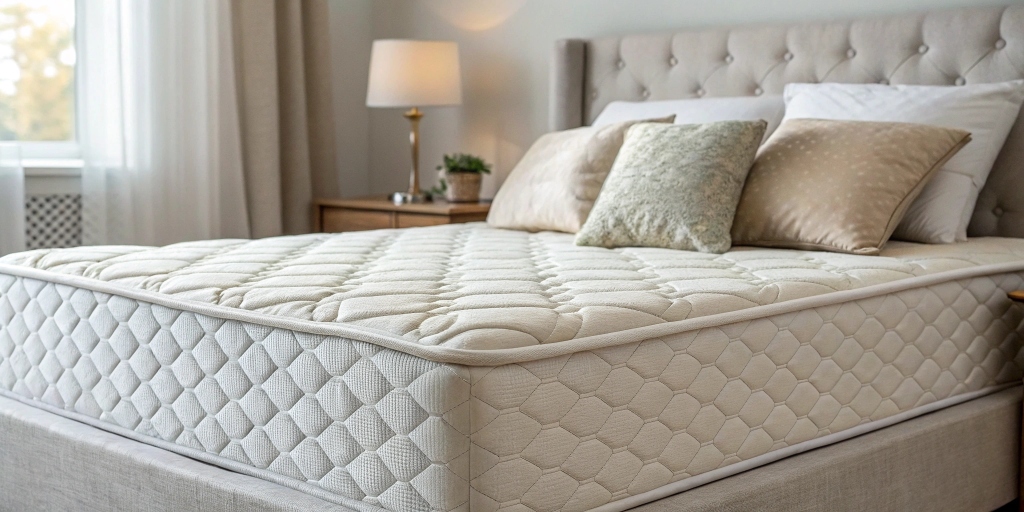

Getting a restful night’s sleep impacts not only your energy levels but also your long-term health and daily well-being. One of the most significant factors influencing sleep is your mattress choice, as it determines the comfort and support you experience every night. Selecting the right mattress store can make finding the perfect bed much easier and ensure you have access to a variety of options that suit your needs and preferences.
A quality mattress can mean the difference between waking up refreshed and feeling stiff and tired. As you consider the ideal bed for your sleep routine, it’s important to account for factors such as support, firmness, and material. These elements dictate how well your body will be supported and how comfortable your sleep will be over the years.
People often underestimate just how much their mattress affects their daily lives. Upgrade and replacement decisions should not be made lightly, as your sleep environment can also affect allergy symptoms, pain levels, and mental sharpness. The right mattress can address many of these concerns and contribute to a healthier routine.
To explore different kinds of mattresses, becoming familiar with their types, features, and impacts on sleep quality can simplify your search for the perfect mattress match.
Importance of a Good Mattress
Sleeping on a quality mattress goes beyond comfort; it supports your spine, reduces stress on pressure points, and is vital for those with chronic pain. The Sleep Foundation notes that proper mattress support can decrease discomfort and improve restorative sleep. Better support also promotes proper posture, reduces muscle aches, and lessens tossing. Investing in a suitable mattress can lead to improved mood, productivity, and uninterrupted sleep.
Signs Your Mattress Needs Replacement
No mattress lasts forever. Over the years, physical wear and tear, along with diminishing support, can take a toll on both your comfort and your health. It is vital to recognize the signs of a mattress that may need replacing:
- Age: Mattresses generally last between 7 and 10 years. Beyond this period, they gradually lose their supportive qualities.
- Visible Sagging: Dips or uneven areas in your mattress are clear indicators that the internal structure is wearing out.
- Pain or Stiffness: Waking up with aches or persistent stiffness often suggests that your mattress is not providing proper support.
- Restless Nights: Difficulty falling or staying asleep and excessive tossing may point to an uncomfortable surface.
- Increased Allergies: Old mattresses can accumulate dust mites and allergens, leading to intensified allergy symptoms over time.
Paying attention to these signs helps ensure your sleep quality is not gradually declining due to an aging mattress.
Types of Mattresses and Their Benefits
The variety of mattresses available today offers a wide range of features, each designed to solve specific sleep concerns. Understanding the differences between the main types can help you narrow your selection:
- Innerspring Mattresses: Featuring coils or springs as their primary support, these provide a firm feel, often with enhanced airflow. While they are widely available and generally budget-friendly, they can transmit motion and may wear out more quickly than alternatives.
- Memory Foam Mattresses: Renowned for their pressure-relieving qualities, memory foam contours to the body’s curves, minimizing pressure points. These are excellent for those who need extra support or share a bed, as movement is isolated.
- Latex Mattresses: Made from natural or synthetic latex, these are durable, supportive, and sought for their responsive, slightly bouncy feel. Natural latex also resists allergens and dust mites.
- Hybrid Mattresses: Combining elements of innerspring and foam, hybrid models aim to capture the benefits of both: robust support, improved durability, and comfortable cushioning.
Each mattress type fits different preferences. Key considerations include firmness, durability, breathability, and motion isolation, all of which contribute to nightly comfort and support.
How to Choose the Right Mattress
Selecting your ideal mattress involves assessing your sleep style, body type, and personal comfort preferences. Here are some important aspects to consider:
- Sleep Position: Side sleepers may prefer a medium or softer mattress for extra pressure relief, while back and stomach sleepers often benefit from a firmer mattress to maintain spinal alignment.
- Body Weight: Heavier sleepers may require a firmer surface to prevent excessive sinking, while lighter sleepers often find comfort in softer mattresses.
- Special Health Needs: Individuals with back pain or other conditions should consult a healthcare provider or mattress expert to find a solution tailored to their medical needs.
- Budget: Set a realistic budget and focus on options offering the best value for your price point. Remember that a higher cost does not always guarantee comfort or durability.
Whenever possible, test mattresses in person. Take advantage of the trial periods and return policies many stores offer, so you can evaluate the mattress in your home before making a commitment.
Maintaining Your Mattress for Longevity
Proper mattress care is crucial for extending the lifespan of your investment and ensuring healthy, supportive sleep. Key tips include using a mattress protector to prevent damage from spills and moisture, rotating the mattress every 3 to 6 months to prevent uneven wear, and regularly cleaning it by vacuuming and spot-cleaning stains. Implementing a consistent care routine not only protects the mattress but also maintains the comfort and hygiene of your entire sleep environment.
Conclusion
Choosing the right mattress is more than just selecting a product; it is a commitment to your daily comfort and well-being. By considering mattress quality, recognizing signs of aging, understanding mattress types, and following a thoughtful selection and maintenance routine, you can foster better health and more refreshing sleep for years to come.