
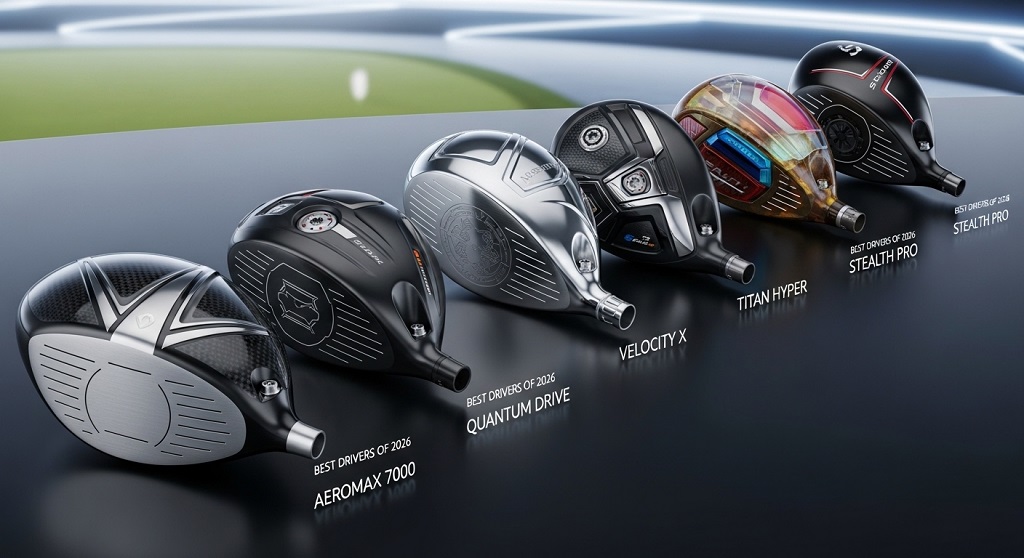

Choosing the best driver clubs 2026 means selecting a driver that matches your swing speed, launch angle needs, forgiveness level, and adjustability preferences. Modern drivers increase distance by optimizing ball speed, reducing spin, and improving launch conditions through advanced clubface engineering and weight distribution systems.
Many golfers still lose 15–30 yards simply because their driver does not match their swing profile. That gap is measurable. According to launch monitor studies shared by club-fitting brands and teaching academies, optimized driver fitting alone can increase carry distance by up to 12% without swing changes.
That is why driver selection matters more in 2026 than ever before. Manufacturers now design drivers using AI-modeled faces, carbon composite crowns, and movable weighting systems. These features help golfers correct slice bias, improve forgiveness on off-center strikes, and increase ball speed across the face.
This guide explains how to choose the right driver using real performance factors instead of marketing claims. You will learn what loft to select, which shaft works best for your swing, and which driver technologies actually add distance.
Why is choosing the right driver club important for longer shots in 2026?
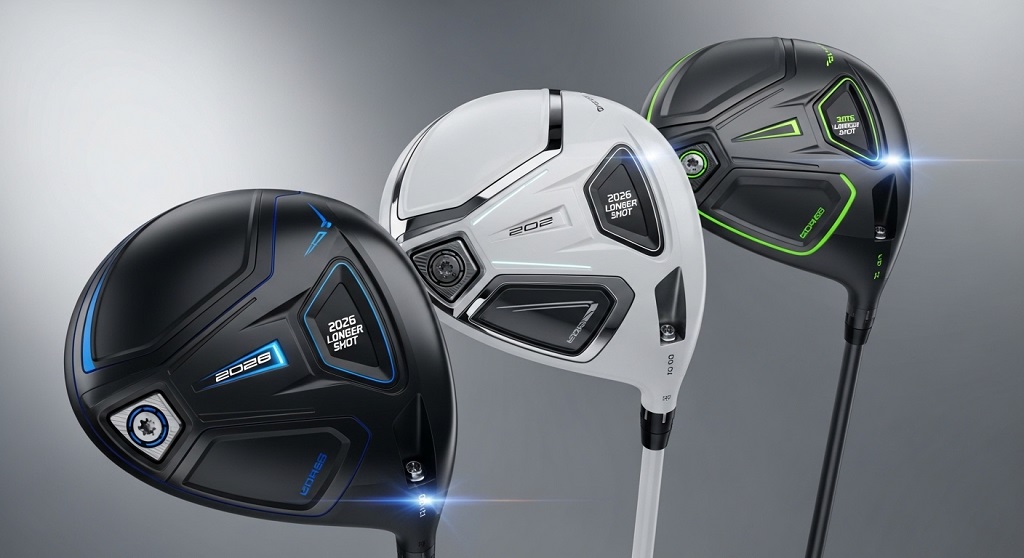
The right driver club improves distance by optimizing launch angle, spin rate, and energy transfer at impact.
Distance is not created by strength alone. It comes from efficiency. A poorly matched driver produces excessive backspin or low launch angles. Both reduce carry distance.
Golf performance data collected by fitting centers shows that amateur golfers often use drivers with spin rates above 3,500 RPM. The optimal range for most players sits between 2,000 and 2,700 RPM. Reducing spin into this range can add 10–20 yards instantly.
Modern drivers in 2026 help solve this through:
- Carbon composite crowns for higher MOI
- Adjustable hosel sleeves
- Variable face thickness technology
- Sliding weight tracks
- Draw-bias correction systems
Selecting the correct combination ensures maximum ball speed and straighter dispersion patterns.
What features define the best driver clubs in 2026?
The best driver clubs in 2026 combine forgiveness, adjustability, launch optimization, and aerodynamic shaping to increase total distance.
1. AI-designed clubfaces
Manufacturers now simulate thousands of strike conditions before producing driver faces. This improves ball speed consistency across the hitting surface.
That means toe and heel strikes lose fewer yards compared to older drivers.
2. Carbon composite construction
Replacing titanium with carbon saves weight. Engineers reposition this weight lower and deeper inside the clubhead.
The result is higher launch with lower spin.
3. Adjustable weighting systems
Sliding weights allow players to adjust draw bias or fade bias depending on shot shape tendencies.
4. High MOI stability
Drivers with MOI above 9,000 resist twisting at impact. That improves accuracy without sacrificing distance.
How does loft affect driver distance and accuracy?
Driver loft controls launch angle and spin rate. Most golfers benefit from higher loft than they currently use.
Many amateur players select 9° drivers because professionals use them. But slower swing speeds need more loft.
| Swing Speed | Recommended Loft |
|---|---|
| Below 85 mph | 12°–14° |
| 85–95 mph | 10.5°–12° |
| 95–105 mph | 9°–10.5° |
| Above 105 mph | 8°–9° |
Selecting the correct loft improves launch conditions immediately without swing adjustments.
What shaft flex should you choose for your driver in 2026?
The correct shaft flex improves timing, ball speed, and accuracy.
Using the wrong shaft flex creates inconsistent contact patterns. That reduces distance and increases dispersion.
| Swing Speed | Shaft Flex |
|---|---|
| Below 85 mph | Senior |
| 85–95 mph | Regular |
| 95–105 mph | Stiff |
| Above 105 mph | Extra Stiff |
Launch monitor testing consistently shows that switching to the correct shaft flex can increase ball speed by 2–5 mph.
Which driver head size is best for forgiveness and distance?
A 460cc driver head offers the best combination of forgiveness and distance for most golfers.
Smaller heads provide shot-shaping control but reduce stability on off-center strikes. Larger heads increase moment of inertia and maintain ball speed across the face.
That is why nearly all modern drivers now use the 460cc maximum legal size.
Do adjustable drivers really improve performance?
Yes. Adjustable drivers help golfers optimize launch angle, spin rate, and shot shape without replacing the club.
Most adjustable hosels allow:
- Loft increases or decreases by 1°–2°
- Lie angle adjustments
- Draw or fade bias tuning
- Spin optimization settings
Club fitting reports show that players using tuned drivers gain measurable accuracy improvements compared to stock settings.
How important is driver forgiveness for amateur golfers?
Forgiveness matters more than raw clubhead speed for most players.
Golfers miss the center of the clubface roughly 60% of the time. Forgiving drivers reduce ball speed loss on those strikes.
High-MOI drivers stabilize impact and maintain launch conditions even during mishits.
Which technologies are improving driver distance in 2026?
Driver distance improvements in 2026 come from aerodynamic shaping, AI-designed faces, and carbon fiber weight redistribution.
- Variable face thickness increases energy transfer
- Carbon crowns lower center of gravity
- Internal rib structures improve sound feedback
- Weight tracks adjust spin profiles
These innovations combine to increase carry distance while improving dispersion control.
Should beginners buy premium driver clubs in 2026?
Beginners benefit more from forgiveness than premium materials alone.
A forgiving driver with draw bias weighting improves consistency faster than a low-spin tour-level driver.
Many entry-level drivers now include adjustable hosels and lightweight shafts, making them strong long-term options.
How does professional club fitting improve driver selection?
Professional fitting identifies optimal launch angle, spin rate, shaft length, and clubhead configuration.
According to fitting data shared by major golf retailers, properly fitted drivers increase carry distance by 8–15 yards on average.
Fitting sessions analyze:
- Ball speed
- Launch angle
- Spin rate
- Attack angle
- Strike location
These measurements help golfers select the best driver configuration.
What are common mistakes golfers make when choosing drivers?
Most golfers choose drivers based on brand reputation instead of performance data.
- Selecting loft too low
- Using incorrect shaft flex
- Ignoring spin rate
- Skipping club fitting
- Choosing style over forgiveness
Avoiding these mistakes improves driver performance immediately.
How do launch angle and spin rate influence driver distance?
Optimal launch angle and spin rate create maximum carry distance.
Launch monitor studies show that a launch angle between 12° and 15° with spin between 2,000 and 2,700 RPM produces ideal distance for most amateur golfers.
Drivers designed in 2026 focus heavily on achieving these numbers through adjustable weighting systems.
Which driver club brands are leading performance testing in 2026?
Several manufacturers consistently rank high in independent testing for ball speed, forgiveness, and adjustability.
- Callaway AI drivers
- TaylorMade carbon-face drivers
- Ping high-MOI drivers
- Cobra aerodynamic drivers
- Titleist precision-tuned drivers
Each brand focuses on different player needs such as forgiveness, shot shaping, or low-spin optimization.
Conclusion: How can you choose the best driver club in 2026 for longer shots?
Choosing the best driver clubs 2026 starts with understanding your swing speed, launch angle needs, and forgiveness requirements. The right loft increases carry distance. The right shaft improves timing. Adjustable weighting corrects ball flight errors. Together, these factors produce measurable distance gains.
Modern drivers are designed to help golfers hit longer and straighter shots without rebuilding their swing. That makes proper selection one of the fastest ways to improve performance off the tee.
If you want better results this season, start by testing drivers that match your swing profile instead of following brand trends. A small equipment adjustment can unlock distance you already have.
Take the next step today. Compare driver specifications, test launch monitor numbers, and choose a setup that fits your swing.
Frequently Asked Questions About the Best Driver Clubs in 2026
What is the most forgiving driver loft for beginners?
Most beginners benefit from a driver loft between 10.5° and 12°. Higher loft improves launch angle and reduces sidespin.
Do expensive drivers increase distance?
Expensive drivers include advanced materials and adjustability features, but distance gains depend more on proper fitting than price.
How often should you replace your driver?
Golfers typically replace drivers every 4–6 years unless performance improvements justify earlier upgrades.
Is a lighter driver shaft better for slower swing speeds?
Yes. Lighter shafts increase clubhead speed and help generate higher launch angles.
Can adjustable drivers fix a slice?
Adjustable weighting systems can reduce slice tendencies by promoting a draw-biased clubface orientation.
What swing speed is needed for a stiff shaft?
Most golfers need a swing speed above 95 mph to benefit from stiff shaft flex.
Read More How to Choosing the Right Mattress for Optimal Sleep Quality
Discover More How to Select the Best Spinning Combo for Beginners