
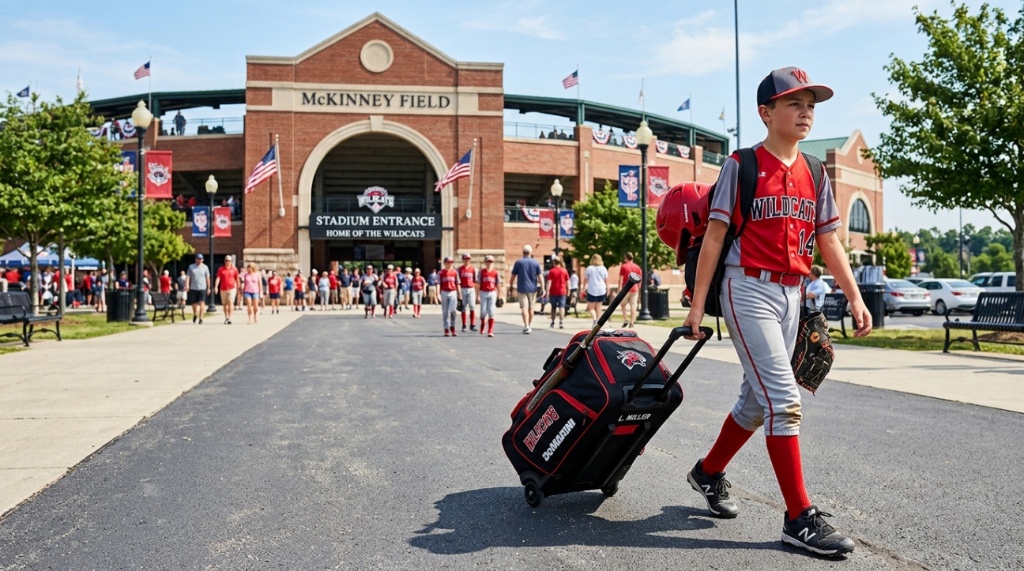

If you play baseball, you know the struggle. After a long game or practice, the last thing you want to do is hoist a forty-pound duffel bag over your shoulder and trudge through a crowded parking lot. Your bat, helmet, cleats, and gloves add up quickly, and carrying that weight on one side of your body can lead to back pain and fatigue. The solution is simpler than you might think: switch to a bag with wheels. Rolling baseball gear bags have changed how players transport their equipment, making the trip from the car to the dugout significantly less exhausting. This guide covers everything you need to know about choosing, packing, and maintaining a rolling bag so you can focus on your game instead of your aching shoulder.
Why Rolling Baseball Gear Bags Are Worth the Investment
The primary advantage of a rolling bag is obvious: you don’t have to carry it. But the benefits go beyond simple convenience. When you carry a traditional duffel over one shoulder, your body compensates for the uneven weight distribution. Over time, this can cause muscle strain in your neck, shoulders, and lower back. A rolling bag keeps the weight on the ground, allowing you to maintain proper posture even when your bag is fully packed.
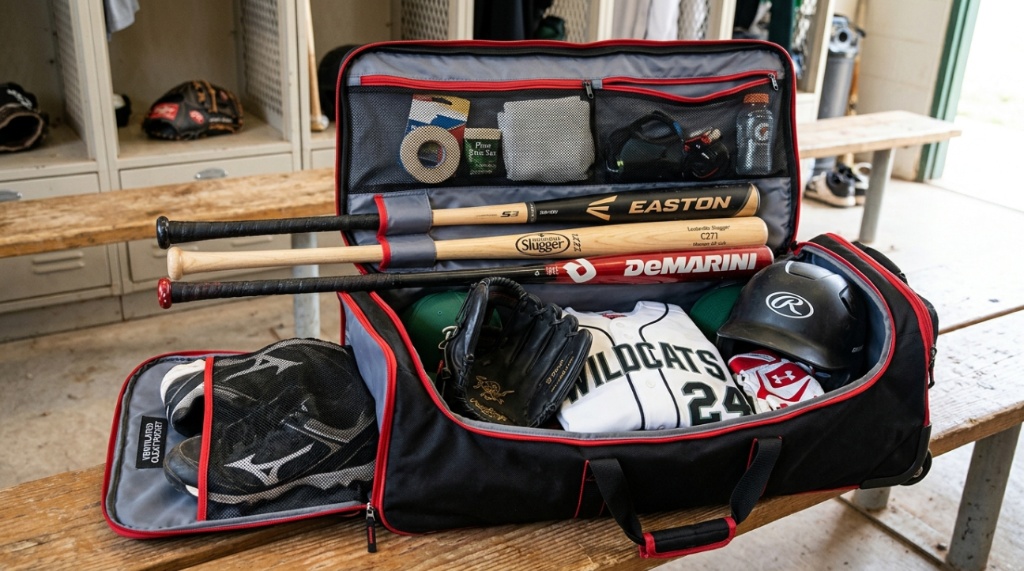
Another overlooked benefit is organization. Most rolling bags feature multiple compartments, including dedicated sleeves for bats, ventilated pockets for cleats, and padded areas for electronics or valuables. This structure means you spend less time digging through a dark abyss of dirty socks to find your batting gloves. You know exactly where everything is, which is especially helpful during tournament weekends when you are moving between fields quickly.
Finally, rolling bags are more durable in many cases. Because they are designed to be pulled rather than tossed around, manufacturers often reinforce the base, wheels, and handle with heavier materials. A quality rolling bag can last several seasons, even with weekly use.
Key Features to Look for in a Rolling Baseball Bag
Not all rolling bags are created equal. Before you purchase one, you should understand the specific features that separate a great bag from a frustrating one. Pay attention to the following components, as they directly affect usability and longevity, If you also enjoy hitting the waves when you are off the diamond, make sure your water sports equipment remains protected with the Best Surfboard Fin Bag for Safe Storage.
Wheel Quality and Placement
The wheels are the most critical part of any rolling bag. Look for wheels that are recessed into the bag’s frame rather than protruding outward. Recessed wheels are less likely to snag on curbs, doorways, or equipment lying around the dugout. Skateboard-style wheels tend to roll more smoothly over uneven surfaces like gravel parking lots than smaller plastic wheels. If you frequently navigate rough terrain, consider a bag with larger wheels that can handle bumps without tipping over.
Handle Design and Telescoping Mechanism
A flimsy handle will ruin the experience. The handle should lock securely at multiple heights so you can adjust it based on your stature. A padded grip reduces hand fatigue during long walks from the parking lot to the field. Also, check the telescoping mechanism for wobble. If the handle feels loose when extended, it will likely bend or break under the weight of a full bag.
Bat Sleeve Capacity
How many bats do you carry? Some players bring two or three, while others bring five or more. The bat sleeve should be padded to protect your bats from dings and scratches. Ensure the sleeve is long enough to accommodate adult bats (typically 32 to 34 inches) without forcing the knob to poke into other compartments.
Material and Water Resistance
Baseball games happen in all kinds of weather. A bag made from heavy-duty polyester or ballistic nylon will resist tears and abrasions. Look for a water-resistant coating or a rain cover if you play in areas with frequent showers. Keep in mind that “water-resistant” is not the same as “waterproof.” If you leave your bag out in a downpour, moisture will eventually seep in through the zippers.
How to Pack a Rolling Baseball Bag Efficiently
Even the best rolling baseball gear bags become unwieldy if you pack them poorly. Weight distribution matters. If you place all your heavy items on one side, the bag will constantly tip over when you stop walking. Here is a practical packing strategy that keeps your bag balanced and your gear accessible.
Bottom Layer: Heavy and Bulky Items
Place your cleats, helmet, and catcher’s gear at the bottom of the main compartment. These items are heavy and dense, so they should sit closest to the wheels. This lowers the center of gravity, making the bag easier to pull and less likely to topple backward when you release the handle.
Middle Layer: Bats and Gloves
Bats should go into the designated sleeve, not loose in the main compartment. If your bag lacks a sleeve, wrap the bats in a towel and place them along the back edge of the bag. Gloves should be placed in a separate pocket if available. If not, tuck them near the top of the middle layer so they are easy to grab without unpacking everything.
Top Layer: Lightweight and Frequently Used Items
Keep batting gloves, sunglasses, sunscreen, and your water bottle in the top or front pockets. You should be able to access these items without opening the main compartment. This saves time during games when you need a quick item between innings.
Rolling Bag vs. Traditional Duffel: Which Is Right for You?
While rolling bags offer clear advantages, they are not the perfect choice for every player. Understanding the trade-offs helps you make an informed decision based on your specific situation.
| Factor | Rolling Bag | Traditional Duffel |
|---|---|---|
| Weight on body | Minimal; weight rests on wheels | Full weight on shoulder/back |
| Terrain handling | Struggles on stairs, sand, deep mud | Works anywhere you can walk |
| Storage footprint | Bulkier; does not compress well | Can be squished into tight lockers |
| Organization | Usually more compartments and sleeves | Often a single large opening |
| Durability risk | Wheels and handle can break | Straps and zippers can tear |
| Best for | Players with long walks, heavy gear | Players with short commutes, limited storage |
If you play in a league where the parking lot is right next to the field, a duffel might be perfectly fine. However, if you travel to tournaments, navigate large sports complexes, or carry catcher’s gear, the rolling option is almost always the better choice. The key is to assess your typical commute from car to dugout.
Common Mistakes to Avoid When Using a Rolling Bag
Many players buy a rolling bag and then unknowingly shorten its lifespan through poor habits. Avoid these common errors to get the most out of your investment.
- Overloading the bag: Every bag has a weight limit, even if it is not printed on the tag. Cramming too much gear strains the wheels, handle, and zippers. If you struggle to lift the bag into your car, it is too heavy.
- Dragging it up stairs: The wheels are designed for flat surfaces. Lifting the bag by the handle while climbing stairs puts excessive stress on the telescoping mechanism. Carry the bag by the top handle instead.
- Ignoring wheel maintenance: Dirt and grass clippings get stuck in the wheel housings. Periodically clean the wheels with a brush and lubricate the axles if they start squeaking.
- Storing it fully packed: Leaving heavy gear in the bag for months during the off-season can deform the wheels and compress the padding. Empty the bag and store it partially open.
Maintenance Tips to Extend the Life of Your Rolling Bag
A rolling bag is an investment, and a little care goes a long way. After each game, wipe down the exterior with a damp cloth to remove dirt and sweat. This prevents grime from grinding into the fabric and zippers. Check the wheels for hair, string, or debris that may have wrapped around the axles. If the zippers start to stick, run a bar of soap or a zipper lubricant along the teeth to keep them moving smoothly.
During the off-season, store your bag in a cool, dry place. Avoid leaving it in a hot garage or trunk, as extreme heat can cause the plastic components to become brittle. If the bag gets wet, let it air dry completely before closing it to prevent mold and mildew from developing inside,
Frequently Asked Questions
Can rolling baseball bags fit in standard car trunks?
Most rolling baseball bags are designed to fit in the trunk of a sedan or the back of an SUV. However, the length of the bag (usually 30 to 36 inches) can be an issue in smaller vehicles. Measure your trunk opening before purchasing to ensure the bag will fit through the opening without forcing it.
Are rolling bags allowed in dugouts during games?
Yes, most leagues allow rolling bags in the dugout. However, some older or smaller dugouts have limited space. If you are concerned, check with your coach or league official. Many players keep their rolling bag behind the dugout fence and only bring essential items inside.
How do I clean a rolling baseball bag?
Use a mild soap and warm water with a soft brush or cloth. Avoid putting the bag in a washing machine, as this can damage the frame, wheels, and handle. For stubborn stains, spot-clean with a diluted detergent. Always let the bag air dry completely before storing it.
What is the weight limit for most rolling baseball bags?
Most quality rolling bags can safely hold between 40 and 60 pounds of gear. Exceeding this weight risks breaking the handle or bending the wheel axles. If your gear feels excessively heavy, consider leaving non-essential items at home or in the car.
Can youth players use rolling bags effectively?
Yes, rolling bags are excellent for youth players because they eliminate the strain of carrying heavy equipment. However, parents should check that the handle retracts to a comfortable height for a child. Many brands offer youth-specific models with shorter handle lengths and smaller overall dimensions.
Conclusion
Switching to a rolling baseball bag is one of the simplest upgrades you can make to your game-day routine. It protects your body from unnecessary strain, keeps your gear organized, and makes moving between fields far less stressful. When shopping, prioritize wheel quality, handle stability, and durable materials. Pack your bag with weight distribution in mind, and perform basic maintenance to ensure it lasts for many seasons. Whether you are a weekend warrior or a travel-team regular, the right rolling bag will make carrying your equipment feel almost effortless. Take the time to choose a bag that fits your needs, and you will wonder why you did not make the switch sooner.