
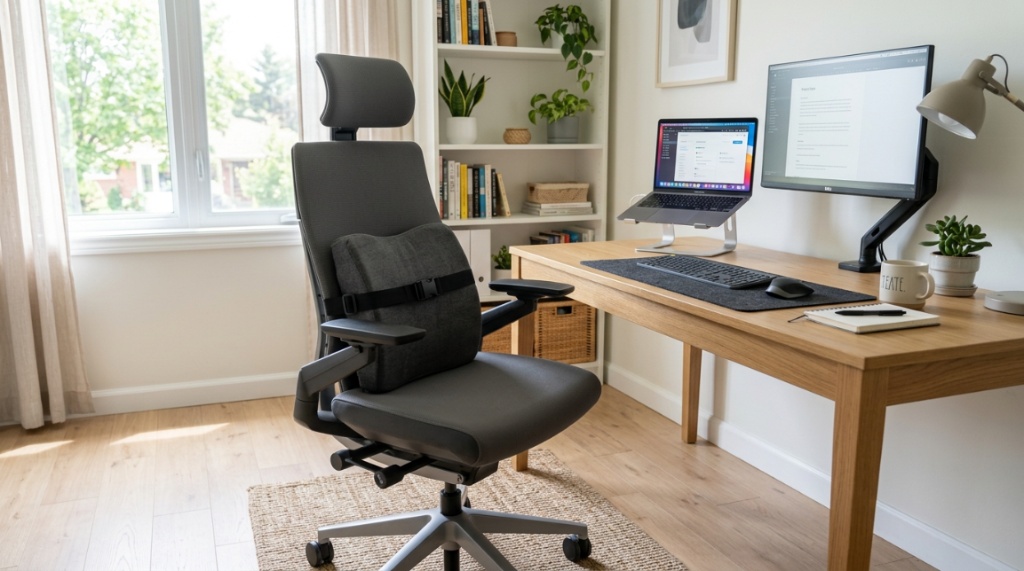

That dull, throbbing ache at the base of your spine after eight hours at a desk is more than just a nuisance—it’s a warning sign. You know you need support, but the lumbar pillows on the market seem to cost as much as a nice dinner out. If you’ve been putting off relief because you’re worried about breaking the bank, you’re not alone. The good news is that affordable back support isn’t a myth. You just have to know what separates a bargain from a budget trap. In this guide, we’ll show you exactly how to find cheap lumbar support pillows that deliver real, lasting comfort without requiring a premium price tag.
What Makes a Cheap Lumbar Pillow Actually Effective?
An effective lumbar pillow does not need to be expensive; it needs to be biomechanically sound. A truly effective option maintains the natural inward curve of your lower spine (lumbar lordosis) to prevent slouching. A cheap price tag becomes a problem only when the product skimps on structural density, uses materials that flatten out in a week, or offers an awkward shape that fights against your body. To get value, you must focus on materials, contour, and density first—then look at the price.
The Non-Negotiable Material Density
Memory foam is your safest bet for cheap lumbar support pillows because it offers a balance between softness and resistance. A density of at least 3.5 pounds per cubic foot is crucial. Anything less turns into a pancake quickly. Look for “high-resilience” foam that springs back immediately when pressed. Also, if you overheat easily, search for gel-infused or open-cell foam alternatives, which don’t trap body heat. Regardless of the material, avoid pillows that feel sticky or tear easily—durability is a sign of a genuinely good buy.
Shape and Contour: The Curve Isn’t Decorative
The shape is what delivers orthopedic value. The best budget pillows feature a C-curve or a wave shape with a distinct ridge that fits into the hollow of your back. This design maintains the spine’s alignment. If you purchase a flat or rectangular block, you will just be padding your back, not supporting your spine. In fact, a poorly shaped pillow can worsen pain by pushing the spine out of position. Always measure your chair depth—the pillow should sit flush against the chair’s backrest.
Adjustability vs. Fixed Support
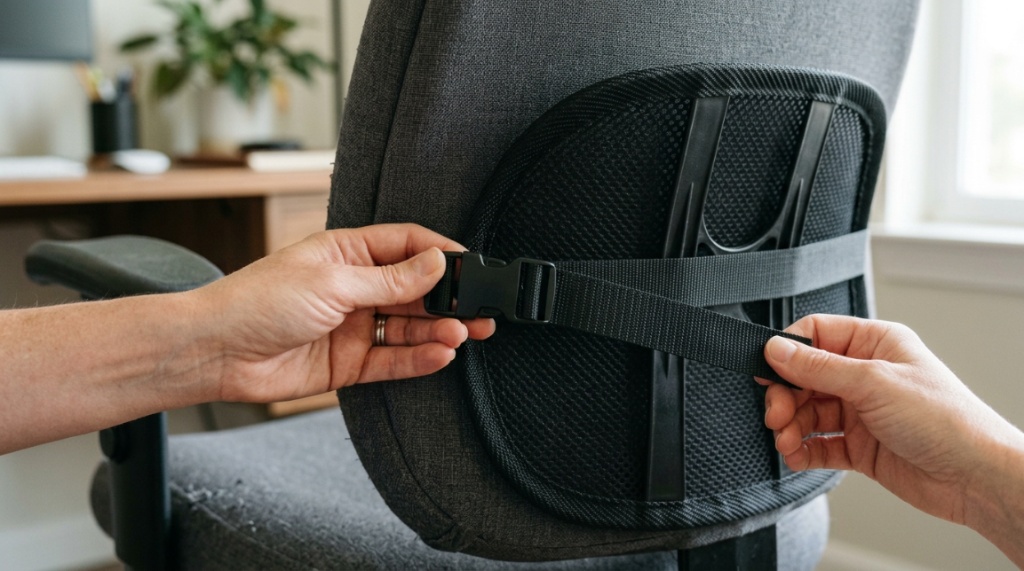
Fixed pillows are cheaper, but adjustability is what extends their usability. If the support height feels off, your posture suffers. A pillow with adjustable straps or removable foam inserts allows you to tailor the support to different chairs and body sizes. While fixed, single-piece foam is typically less expensive, many cheap lumbar support pillows now include a simple strap system—prioritize those. A strap ensures the pillow stays put, reducing fidgeting and enhancing the support.
Why Paying More Doesn’t Always Mean Better Relief
The lumbar support market is saturated with “luxury” models with inflated prices, but the technology hasn’t changed drastically. High prices often go toward branding, marketing, and premium covers rather than actual biomechanical innovation. In fact, mid-range and budget models often use the exact same base foam as premium ones. The secret is that a $300 electric back massager with lumbar support isn’t a ‘pillow’—it’s a gadget. You pay a premium for the battery, the vibration motors, and the remote control, not for the posture correction.
Spotting the “Brand Tax” and Marketing Hype
When you see a pillow that costs over $100, break down the bill. Is the cover made of Italian leather? Are there built-in heating elements? Do you actually need these extras? Marketing ads often use phrases like “surgical grade” or “chiropractor approved” with no regulatory backing. Most chiropractors recommend simple, firm wedges that cost $20–$40. The extra money spent is rarely on science; it’s on certification stickers. Instead, look for independent reviews that discuss the foam’s response time, not just the brand logo.
Durability of Low-Cost Materials in 2026
Thanks to improved manufacturing processes in 2026, budget foams are significantly better than they were a decade ago. New “cold-cure” foams are now available in budget lines, offering high resilience similar to expensive visco-elastic foam. Manufacturers have optimized production to cut waste, making quality cheaper to produce. Therefore, you can buy a $30 pillow and find it lasts 2–3 years. The key is flipping the pillow upside down to check for air holes—ventilated molds create better foam than solid blocks.
The High Cost of Constant Replacement
Remember that a cheap pillow that loses its shape in two weeks is the most expensive pillow you can buy—because you have to re-buy it. In contrast, a $25 well-constructed pillow that lasts for two years costs pennies per day. When checking reviews, search for the term “after 3 months” to see if the pillow sags. A good budget option might have a firmer feel initially, but it will settle into your body rather than collapse. Prioritize warranties—many cheaper brands now offer 1-year warranties, showing confidence in the product,While setting up an ergonomic workspace is essential for your posture, ensuring your home is comfortable extends beyond your desk—take a look at these Six bathroom design trends for 2026 for more home improvement inspiration.
How to Test a Budget Lumbar Pillow Without Using It All Day
You can determine if a pillow works in less than 60 seconds using a simple “pressure test.” While seated, slip the pillow into the gap between your lumbar spine and the chair. If it fits snug without requiring you to push back hard, it’s likely a good fit. Then, unzip the cover and press the foam firmly with your thumb for 5 seconds. If it returns to shape instantly (in under 2 seconds), the foam is resilient. If it recovers slowly or leaves a dent, the structure is too weak for long-term support.
The “Tuck Test” for Chair Compatibility
First, test on your primary desk chair. With the pillow in place, you should be able to slide your hand behind your back at the bottom of the ribcage—but it should be tight at the waist. The pillow should not push your shoulders forward. If the pillow repositions your upper body, it’s too thick or too tall. Many cheap pillows come with “universal fit” claims, but they fail on chairs with built-in lumbar bulges. Ensure your chair’s existing curve isn’t fighting the pillow’s curve.
Material Softness vs. Firmness Balance
Your body weight matters here. If you are light (under 130 lbs), a super-firm cheap foam will feel like a rock. If you are heavier (over 180 lbs), a soft foam will “bottom out” quickly. The trick is to look for medium-firm density. A pillow labeled “soft” is usually too weak; one labeled “extra firm” is rarely comfortable. For budget buys, choose a hybrid that has a softer top layer (for comfort) fused to a firmer base layer (for structural integrity).
Which Type of Cheap Lumbar Pillow Is Right for Your Chair?
Not all chairs are created equal—and neither are cheap lumbar support pillows. Your seating environment dictates the complexity of the pillow you need. For instance, car seats have a S-curve, office chairs have a flat back with adjustability, and sofas have a deep plush surface. You might need different styles for different settings, but you can usually get away with a versatile model if you know the adjustment tricks.
Office Desk Chairs: Firm Wedge or Adjustable Curve
For standard ergonomic task chairs, you need a pillow that doesn’t add too much depth. A low-profile memory foam wedge (about 3 inches thick) works best. It supports without pushing you too far away from your desk. If your chair has a loose lumbar strap, a $15 breathable mesh pillow with a strap is perfect. Conversely, if you have a fixed-back chair, you need a curved pillow that clips on. Avoid tall pillows in office chairs—they push into the shoulder blades.
Car Seats: Anti-Slip and Slim Profile
Car seats vary dramatically. For driving, the pillow must be slim and curved to mimic the natural seatside bolster. A bulky pillow makes you sit too straight, limiting your reach to the steering wheel. Look for cheap lumbar support pillows with strong silicone grip backing—not just a strap—to hold it against the seat’s incline. The angle of a car seat is more reclined than an office chair, so you need a thicker bottom edge to fill that gap. Consider an inflatable option for cars, as you can inflate or deflate to adjust to bucket seats.
Sofa and Gaming Chairs: Large Surface Area
Sofas are low and deep, meaning you need a wide pillow (at least 14 inches wide) to cover the entire lower back. Gaming chairs often have aggressive lumbar bulges that hurt. If you’re lounging, you want a larger, softer pillow that just fills the void. When gaming, opt for a flat, slightly firm pillow you can wedge at different angles: horizontally for mid-back support in an upright position or vertically for low-back support when reclined. Using a cheap pillow you can move is more effective than an expensive sculpted one that locks you into one position.
When Should You Replace a Budget Lumbar Pillow?
Even the best cheap lumbar support pillow wears out. The general lifespan for a budget foam product is 12 to 18 months with daily use. If you notice the foam doesn’t spring back, if the cover pilling is severe, or if you start slouching again, it’s time to replace it. Also, if you’ve significantly changed weight, the support profile will no longer match your body shape. For hygiene reasons, if the pillow cannot be washed and has absorbed a smell, throw it out.
Signs That the Support Has Broken Down
The most obvious sign is visibility—take the cover off and look at the foam. If you see cracks, discoloration, or permanent denting, the density has deteriorated. Another test is the “hardness test”: place the pillow on a table, press down hard, and release. A worn foam will make a “cracking” noise when compressed. Finally, watch for back pain returning. If the pillow isn’t relieving pressure anymore, it’s non-functional, regardless of how new it looks.
Extending the Life of an Affordable Pillow
To delay replacement, rotate the pillow front-to-back and top-to-bottom weekly. If the pillow has a washable cover, wash it monthly; skin oils break down foam faster than daily compression. Keep the pillow out of direct sunlight when not in use—UV rays degrade foam. If your pillow is slightly too firm, place it in a clothes dryer on an air-only cycle with a damp towel for 10 minutes to soften the fibers. Always remove the foam core before washing the cover.
Can a Cheap Lumbar Pillow Fix Back Pain or Just Mask It?
A cheap lumbar pillow can be a critical part of the solution, but it is not a medical treatment. If you have acute pain radiating down your leg, no pillow will fix that—see a doctor. For postural pain, a pillow is corrective. It prevents slouching, keeping pressure off the discs. It doesn’t “mask” pain; it physically blocks the biomechanical movement that causes pain. Think of it like a cast for a broken bone—it’s a tool for alignment, not a painkiller.
The Biomechanics of Low-Cost Support
When you sit, your pelvis rolls backward, converting your lumbar curve into a C-arch. This stretches the ligaments and puts pressure on the front of the discs. A pillow fills the wedge-shaped void under your lower back, stopping that pelvic roll. The change is immediate—your shoulders go back, and stress on the neck drops. This is why a $15 pillow can eliminate a headache caused by sitting—it stops the structural chain reaction.
What the Product Ads Don’t Tell You About “Posture”
Many cheap lumbar support pillows claim to strengthen your “core muscles.” This is false. Passive pillows support, they don’t strengthen. You need to do physical exercise for that. However, a pillow does train your “proprioception”—your body’s awareness of its position. After a few weeks, your brain learns the correct sitting position, and you might not need the pillow as much. This is a psychological training effect, not a structural one, but it’s real and beneficial.
Where to Buy Affordable Lumbar Pillows Without Getting Burned
Online marketplaces are the best bet for price, but they are also the wild west of quality. Avoid no-name brands with zero physical address reviews. Instead, look for home goods retailers or established foam manufacturers who sell directly to consumers. Big-box retailers often have in-store demos where you can test firmness. In 2026, subscription-based office supply stores also offer excellent exclusive deals on ergonomic accessories at factory-direct prices.
Online vs. Brick-and-Mortar Price Differences
Online is almost always 20-30% cheaper for the same product because you cut out the middleman. Yet, brick-and-mortar stores allow you to test the pillow out. A smart strategy is to go to a store, feel the “Expensive” models, understand what firmness you like, then order a generic equivalent online. However, for extremely low prices, check warehouse clubs; they often carry bulk packs of two for less than a single specialized store. Always check the return policy—if a pillow doesn’t work, a restocking fee is a blow to your budget.
Red Flags to Avoid When Shopping Cheap
Stay away from pillows that are extremely light (weigh less than a pound)—this means low-density foam. Avoid covers that feel like plastic or have a strong chemical smell out of the bag; while off-gassing is common, there are safer water-based foams now. Also, be wary of pillows that are “one-size-fits-all” and don’t specify dimensions. A pillow that doesn’t tell you the height or depth is hiding a design flaw. If the listing has stock photos but zero photos of the actual foam, skip it.
If you are state-specific and want a curated list of tested options, checking local recommendations from trusted sources is wise. For instance, if you are near the Midwest, you might look up reliable budget picks that have been vetted for regional availability. You can find a solid list of cheap lumbar support pillows that have been reviewed for quality and price to narrow down your choices without the guesswork.
How to Pair Your Budget Pillow with Other Ergonomic Fixes
Even the best cheap lumbar support pillow on earth cannot overcome a terrible chair. To get a real return on your investment, pair your pillow with an additional layer of support. If your desk is too high, your shoulders will hunch regardless of your lower back. If your feet don’t touch the floor, your hips will tilt forward, nullifying the pillow’s effect. Start by using the pillow, then address the other 10% of posture issues with free fixes.
The Foot Rest Formula
Your hips should be at a ninety-degree angle. If your feet don’t rest flat, your hamstrings pull your pelvis down. Use a stack of books as a footrest—inexpensive but effective. Place the lumbar pillow at your lower back FIRST, then adjust your seat height. If the pillow forces you into a better spine position, you will naturally pull your chair closer to the desk. This creates a better typing angle. This combo costs zero dollars extra but doubles the effectiveness of the support.
Monitor Height and Eye Level
Your monitor’s top frame should be at or below eye level. If you crane your neck, your lower back compensates by arching or slumping. A cheap monitor stand (which can be a cardboard box) elevates the screen. Once the screen is high, the lumbar pillow can hold your chest up. If you have a laptop, sit back fully, letting the pillow support your spine, and use a separate external keyboard to bring the screen closer to eye level. This creates the complete ergonomic triangle.
Are Expensive Lumbar Pillows a Waste of Money if You Have a Cheap One?
In most cases, yes—upgrade costs are unnecessary. The only scenario where a premium pillow outshines a budget one is if you have severe muscle tension requiring heated massage, or if your skin is allergic to synthetic materials and you need a certified organic cover. For orthopedic support, the cheap options are 90% as effective as premium models. The hidden cost of “premium” often lies in wireless charging features or smart sensors that detect posture, which are gimmicks rather than functional necessities.
Functional Features vs. Luxury Extras
Luxury extras like vibration motors don’t assist in posture; they relax muscles temporarily, but they don’t stop you from slouching. A cheap pillow stops slouching mechanically, which works 24/7. However, if you have circulation issues, an expensive pillow with a breathable cooling layer could help. But for the standard work-from-home population, the $20 version meets all functional needs. Rather than upgrading the pillow, spend any saved cash on a lumbar stretching routine.
Weight Capacity and Sizing Comparison
Cheap pillows are typically narrower, running around 13-18 inches. Premium pillows are wider (up to 20 inches) to accommodate larger body shapes. If you are a wider person, a narrow budget pillow may not cover your entire spinal column. In this case, the “expensive” wide version might be necessary. Check the width before buying. Conversely, very slim people may find the wide versions push their shoulders too far forward, favoring the cheap smaller ones.
Frequently Asked Questions
Here are quick answers to the most common queries about buying and using budget-friendly back supports.
Can a soft lumbar pillow be effective?
Yes, if the softness is in the top layer only. A pillow that is soft throughout lacks the density needed to hold your spine. Look for a soft exterior and a firm inner core. If the whole pillow squishes completely flat under your arm’s weight, it’s too soft to support your body’s pressure.
Are inflatable lumbar pillows a good budget choice?
Inflatable pillows are excellent for travel and for testing what support level you need. They cost under $15. However, they can develop micro-leaks and require manual adjustment. Use them to gauge your optimal thickness, then buy a solid foam pillow with that specific measurement.
How tight should the strap be on a lumbar pillow?
The strap should be snug but not digging into the chair. It only needs to keep the pillow stationary when you shift. If you tighten it to the maximum, the strap might pull the pillow out of shape, reducing the edge of the support curve.
Can I sleep with a lumbar support pillow?
No. Lumbar pillows are designed for a seated upright posture. Using them flat on a bed keeps your spine arched in a harmful C-shape. For sleeping, use a standard contour pillow under your knees if lying on your back, or on your side, not a lumbar wedge.
Why does my cheap lumbar pillow smell like chemicals?
This is off-gassing, common in lower-grade petroleum-based foams. While the smell usually dissipates within 72 hours, prolonged exposure isn’t healthy. To speed up the process, spray the pillow with a vinegar-water solution and air it outdoors for 24 hours. If the smell persists for weeks, return it—it may release VOCs.
Should I use a lumbar pillow if I have sciatica?
If you have sciatic nerve pain, sitting often worsens it. A lumbar pillow can help maintain the natural curve, reducing nerve root pressure. However, if the pillow increases the pain or sends a sharp shooting sensation down your leg, stop using it immediately and consult a physical therapist for stabilization exercises.
Is a tall lumbar pillow better for tall people?
Height matters less than torso length. A tall person with a short torso may only need a small pillow. The pillow should start around the belt line and end at the bottom of the rib cage. If the pillow extends beyond your ribs, it restricts breathing.
To wrap up, affordable back support is a matter of smart shopping rather than compromise. You don’t need to drain your savings to maintain a healthy posture. By focusing on high-density foam, proper dimensions, and secure straps, you can secure a durable pillow for under $25. The longer you use it correctly, the more you’ll appreciate the investment. Before you purchase, measure your chair and decide if you need firm or medium density. Then, make the leap—your back will thank you after a long workday.