


Key Takeaways
- Identify and address signs of poor drainage for optimal property health.
- Apply targeted solutions such as soil aeration, gutter maintenance, and proper grading.
- Combine regular inspection with proactive drainage and irrigation measures to avoid significant repairs.
Effective water management is crucial for homeowners seeking to preserve the integrity of their property and prevent costly damage. Common drainage concerns, if neglected, can lead to a range of issues, from unsightly yard flooding to severe foundation problems and structural decay. By identifying and addressing these problems early, you can prevent more significant issues and create a safer home environment.
Understanding the roots of drainage challenges allows for more effective solutions tailored to your landscape. Issues like pooling water or overwhelmed gutters may seem trivial at first, but over time, the consequences can extend to mold, pest infestations, and irreversible foundation damage. Regular observation and proactive repairs go a long way in safeguarding your investment and promoting sustainable outdoor living.
The modern homeowner can leverage both traditional landscaping techniques and innovative systems to efficiently manage water, preserve soil quality, and enhance curb appeal. Whether you’re battling stagnant water after a storm or struggling with runoff on a slope, a comprehensive drainage approach is crucial to maintaining a dry, structurally sound home.
Standing Water in the Yard
Noticeable puddles or persistent wet spots in your lawn can result from improper grading, compacted earth, blocked drainage channels, or issues with your irrigation system. While standing water may initially seem harmless, it can destroy grass, invite pests, and create breeding grounds for disease.
Solution
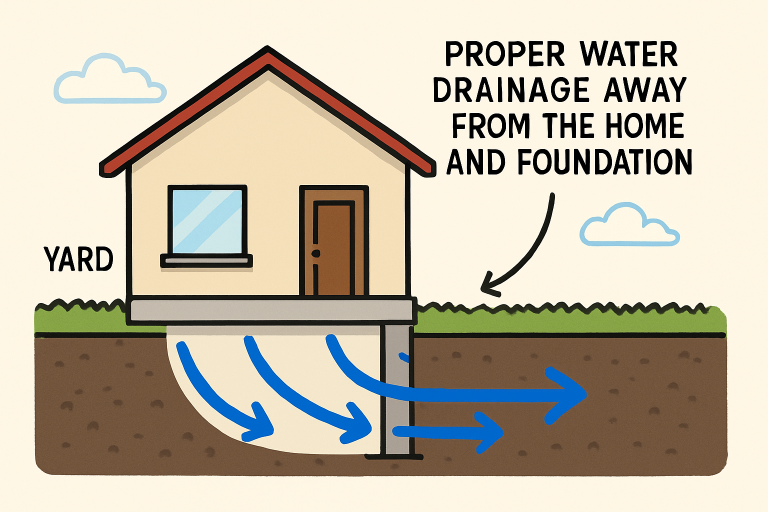
- Regrade your yard: Ensure the land naturally slopes away from your home’s foundation, promoting proper runoff.
- Aerate the soil: Compacted soil diminishes its natural absorbency. Aeration restores water infiltration and reduces pooling.
- Install a French drain: This gravel-filled trench, featuring a perforated pipe, helps reroute water away from problem areas.
Overflowing Gutters and Downspouts
Gutters clogged with leaves and debris, or downspouts that don’t carry water far enough from the foundation, often lead to water spilling against the home. This results in peeling paint, erosion, and potential basement leaks.
Solution
- Cleaning regularly: Remove organic buildup several times a year, especially in the fall.
- Extending downspouts: Direct water at least six feet away from your home’s foundation to prevent saturation.
- Installing gutter guards: Reduce clogging and simplify future maintenance with these easy add-ons.
Water Seeping into the Basement
Exterior drainage failures, foundation cracks, or excessive groundwater levels typically cause basement seepage. This can quickly lead to mold, mildew, and expensive structural repairs. According to Family Handyman, stopping leaks involves a multi-pronged approach.
Solution
- Sealing foundation cracks: Use waterproof sealants or epoxy injections for smaller cracks.
- Installing a sump pump: Strongly recommended for homes with persistent flooding issues.
- Ensuring proper grading: Keep all soil and landscaping sloping away from the structure.
Soil Erosion
Heavy rain and runoff on poorly managed landscapes can strip away the nutrient-rich topsoil, destabilizing slopes and harming plants. Sloped properties are particularly vulnerable to this issue, but proper vegetation and support structures can help mitigate the risk.
Solution
- Planting ground cover: Deep-rooted plants or grasses hold soil in place and absorb excess water.
- Building retaining walls: Retaining structures provide strong physical support to prevent soil migration downhill.
- Installing erosion control blankets: Protect exposed soil, especially in newly seeded or high-traffic areas.
Blocked or Broken Drain Pipes
Debris, intruding tree roots, or shifting soil can clog or crack underground pipes, causing backups and inefficient drainage. Left unchecked, this can escalate into widespread water pooling and property damage.
Solution
- Conducting regular inspections: Use small cameras or hire professionals to check pipes for blockages or fractures.
- Clearing blockages: Professional rooter services quickly remove debris and restore normal flow.
- Repairing or replacing pipes: Depending on the severity, you may need targeted repairs or full pipe replacement.
Inadequate Drainage Capacity
When drainage systems are too small for heavy rain, the result is often flooding and property damage. Increasing capacity can make all the difference, especially in areas with frequent severe storms.
Solution
- Installing larger gutters and downspouts: Support greater water flow and manage storm runoff more effectively.
- Adding additional drainage channels: Swales, dry creek beds, or even stormwater catch basins can help.
- Implementing rain gardens: Specially designed to soak up excess water while adding beauty to your yard.
Poorly Maintained Drainage Easements
Drainage easements, which are designed to conduct water safely across properties, lose their effectiveness if neglected. Blockages, such as overgrown vegetation or debris, can quickly cause localized flooding.
Solution
- Keeping them clear: Remove obstructions such as yard waste, trash, or unauthorized construction on a regular basis.
- Regular inspections: Walk the easement after heavy rains and address any visible issues immediately.
Improperly Installed Driveways and Walkways
Hard surfaces without the correct slope or those made of impermeable materials can direct water straight toward your foundation, exacerbating all other drainage issues. The right design and materials divert runoff and protect your home’s lower levels.
Solution
- Designing with slope: Ensure concrete or pavers angle away from your property.
- Using permeable materials: Allow water to soak into the ground, greatly reducing surface pooling and runoff.
Addressing these common drainage issues is the best defense against water damage, erosion, and costly repairs. Consistent maintenance and well-designed water management strategies create a secure, comfortable living space while supporting all your landscaping efforts.
Final Thoughts
Effective drainage is a cornerstone of a healthy, well-maintained property. From standing water and clogged gutters to soil erosion and basement seepage, every aspect of water management plays a critical role in protecting your home’s foundation, landscaping, and overall safety. Proactive solutions—whether through grading adjustments, sump pumps, French drains, or erosion control measures—prevent small issues from escalating into costly repairs.
By combining regular inspections with thoughtful preventive strategies, homeowners can maintain both the structural integrity of their property and the aesthetic appeal of their outdoor spaces. Leveraging modern techniques alongside traditional landscaping methods ensures efficient water flow, reduced erosion, and long-term resilience.
Ultimately, staying vigilant and addressing drainage challenges early can transform potential hazards into manageable solutions, providing a safer, more comfortable, and visually appealing home environment.

