
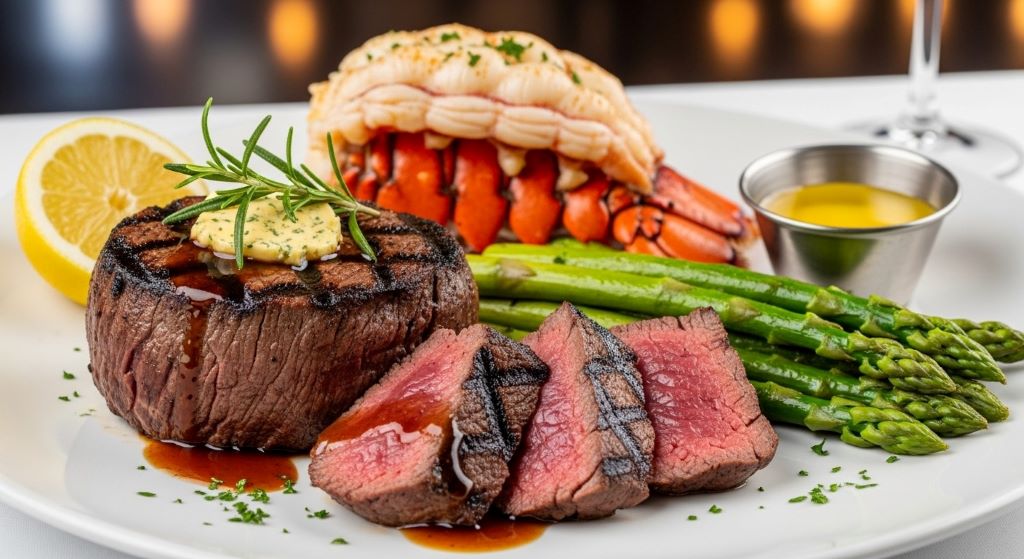

Surf and turf represents one of dining’s most luxurious combinations. This classic meal pairs premium seafood with high-quality beef on a single plate. Restaurants across America feature this indulgent dish, though prices often shock first-time diners.
Understanding what makes surf and turf special helps explain its premium price point. The combination of land and sea proteins creates a memorable dining experience. However, multiple factors contribute to making this dish significantly more expensive than ordering either component separately.
Defining Surf and Turf
The term “surf and turf” originated in American steakhouses during the 1960s. Surf refers to seafood from the ocean, while turf represents beef from the land. This pairing traditionally features lobster tail alongside a quality steak cut.
Modern variations include different seafood options beyond lobster. Shrimp, scallops, crab legs, or prawns frequently appear in contemporary versions. Meanwhile, the beef component typically consists of filet mignon, ribeye, or New York strip steak.
The dish gained popularity as a status symbol meal. Ordering both premium proteins simultaneously demonstrated affluence and appreciation for fine dining. Therefore, surf and turf became associated with special occasions and celebrations.
Common Surf and Turf Combinations
Traditional combinations pair cold-water lobster tails with eight-ounce filet mignon steaks. This classic version remains the most recognizable and expensive option. The butter-poached lobster complements the tender, lean beef perfectly.
Jumbo shrimp or prawns offer a more affordable alternative to lobster. These shellfish still provide the ocean flavor profile while reducing overall cost. Additionally, shrimp pairs well with various steak cuts from sirloin to porterhouse.
King crab legs represent another premium seafood choice. Their sweet, delicate meat contrasts beautifully with robust beef flavors. However, Alaskan king crab pricing often exceeds even lobster costs.
Scallops provide a lighter seafood option that doesn’t overpower the steak. Pan-seared scallops create a caramelized crust complementing grilled beef. Moreover, this combination works well for diners preferring smaller portion sizes.
Why Surf and Turf Commands Premium Prices
Multiple economic factors drive surf and turf pricing upward. Each component costs significantly more than chicken, pork, or plant-based proteins. Combining two expensive proteins naturally increases the total meal cost.
Quality beef cuts like filet mignon already command premium prices. These tender cuts come from limited sections of each animal. Additionally, proper aging processes for premium beef add time and storage costs.
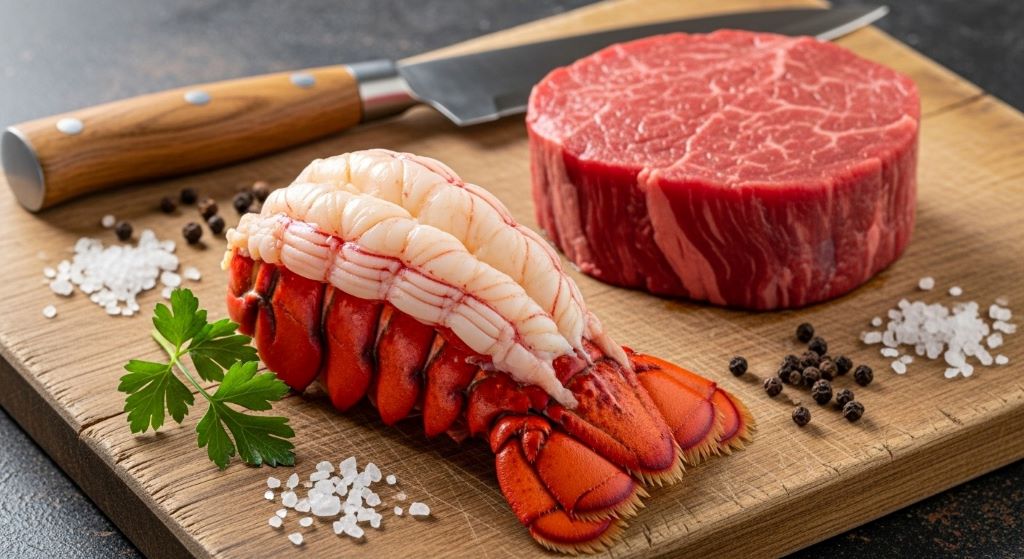
Lobster represents one of the ocean’s most expensive seafood options. Cold-water lobster harvesting requires specialized equipment and dangerous working conditions. Furthermore, lobster populations face seasonal restrictions and environmental pressures affecting availability.
Restaurants must purchase both proteins at peak quality simultaneously. This requirement increases inventory costs and waste potential. Therefore, establishments price surf and turf to protect profit margins while managing ingredient expenses.
The Cost of Premium Beef
High-grade beef starts with breed selection and feeding practices. USDA Prime beef, featuring extensive marbling, costs substantially more than Choice or Select grades. Cattle raised on specialized diets produce more flavorful, tender meat.
Dry-aging processes enhance flavor and tenderness but reduce sellable weight. Beef loses moisture during aging, concentrating flavors while decreasing total product. Additionally, dedicated aging facilities require precise temperature and humidity control.
Filet mignon comes from the tenderloin, representing only two to three percent of the entire animal. This scarcity drives prices higher than more abundant cuts. Meanwhile, proper butchering techniques ensure maximum quality from each tenderloin.
According to the USDA Economic Research Service, beef prices have increased significantly due to rising feed costs, labor expenses, and supply chain challenges.
Transportation and storage requirements add additional costs. Premium beef must maintain proper temperature throughout the supply chain. Moreover, restaurants often source beef from specialized purveyors rather than general distributors.
Seafood Costs and Market Volatility
Lobster pricing fluctuates dramatically based on seasonal availability. Summer months typically bring lower prices when lobster populations peak. However, winter demand for special occasions drives prices upward when supply decreases.
Commercial lobster fishing involves significant overhead costs. Boats, traps, fuel, and crew wages add up quickly. Additionally, strict regulations protect lobster populations but increase operational expenses for fishermen.
Cold-water lobster comes primarily from Maine, Atlantic Canada, and limited international sources. Transportation from coastal regions to inland restaurants increases costs substantially. Furthermore, maintaining live lobster requires specialized tanks and monitoring systems.
Shrimp and scallop prices also vary based on wild-caught versus farm-raised sources. Wild-caught seafood generally costs more but offers superior flavor. Meanwhile, farming operations face their own challenges including disease management and environmental regulations.
Climate change impacts seafood populations and harvesting patterns. Warming ocean temperatures force lobster populations to migrate northward. Therefore, established fishing communities face reduced catches and increased travel distances.
Restaurant Operating Costs
Skilled preparation of surf and turf requires experienced kitchen staff. Perfectly cooking both proteins to different temperatures demands precision and timing. Additionally, restaurants pay premium wages for chefs capable of executing this dish consistently.
Kitchen equipment needs include both seafood and meat preparation areas. Separate cooking stations prevent cross-contamination and maintain food safety standards. Moreover, specialized tools for cracking lobster and cutting steaks represent significant investments.
Plating and presentation standards for surf and turf exceed typical entrees. Restaurants use larger plates and include elaborate garnishes to justify premium pricing. Furthermore, accompaniments like drawn butter, compound butters, and signature sauces add ingredient costs.
Fine dining establishments maintain specific ambiance and service standards. White tablecloths, specialized glassware, and attentive servers contribute to the overall experience. Therefore, these operational costs factor into menu pricing alongside ingredient expenses.
Wine Pairings and Additional Costs
Surf and turf challenges traditional wine pairing rules. Red wines typically complement beef, while white wines suit seafood. However, this combination requires careful wine selection balancing both proteins.
Bold red wines like Cabernet Sauvignon work well with the beef component. Yet these wines can overwhelm delicate seafood flavors. Additionally, full-bodied white wines or rosés offer compromise options.
Sommeliers recommend wines with enough structure for steak but sufficient acidity for seafood. Pinot Noir and Chardonnay represent popular middle-ground choices. Moreover, premium wine pairings significantly increase the total meal cost.
Many restaurants offer wine pairing suggestions that increase overall spending. These recommendations enhance the dining experience while boosting restaurant revenue. Furthermore, premium wine markup rates often exceed food item margins.
Regional Price Variations
Coastal restaurants near fishing communities offer lower surf and turf prices. Direct access to fresh seafood reduces transportation and storage costs. However, even coastal establishments charge premium prices for this combination dish.
Inland cities face higher seafood costs due to transportation requirements. Fresh seafood must travel hundreds or thousands of miles to reach landlocked restaurants. Additionally, maintaining quality during transport increases expenses significantly.
Major metropolitan areas command higher prices across all restaurant categories. Urban rent, labor costs, and operating expenses drive menu prices upward. Therefore, surf and turf in New York or Los Angeles costs more than similar dishes in smaller cities.
Seasonal tourist destinations adjust pricing based on demand fluctuations. Beach resorts charge peak prices during summer vacation months. Meanwhile, ski resorts may offer surf and turf as special winter menu items.
According to Restaurant Business Online, restaurant food costs have reached historic levels, particularly affecting premium proteins like beef and seafood.
Making Surf and Turf More Affordable
Home preparation offers significant savings compared to restaurant dining. Purchasing ingredients from wholesale clubs or fish markets reduces costs substantially. Additionally, cooking at home eliminates service charges and markup rates.
Choosing smaller portions decreases both cost and calorie counts. A four-ounce filet paired with four ounces of shrimp satisfies without breaking the budget. Moreover, proper seasoning and cooking technique matter more than portion size.
Selecting alternative proteins maintains the surf and turf concept affordably. Salmon paired with sirloin steak creates a similar land-and-sea experience. Furthermore, these substitutions still deliver impressive presentations for special occasions.
Restaurant week promotions and special events feature discounted surf and turf options. Many establishments offer prix fixe menus including this premium combination. Therefore, timing your dining experience around promotions maximizes value.
The Value Proposition
Surf and turf delivers more than just food on a plate. The experience includes ambiance, service, and the luxury of enjoying two premium proteins simultaneously. Additionally, the combination offers contrasting textures and complementary flavors.
Special occasions justify premium pricing for memorable dining experiences. Anniversaries, promotions, and celebrations warrant splurging on exceptional meals. Moreover, the indulgence creates lasting memories beyond the actual cost.
Quality ingredients prepared expertly demonstrate culinary skill and attention to detail. Perfectly cooked steak alongside properly prepared seafood requires significant expertise. Furthermore, successful execution justifies the premium price point.
Conclusion
Surf and turf combines premium beef and seafood into one luxurious dish. Multiple factors contribute to its expensive reputation, including ingredient costs, preparation requirements, and restaurant operating expenses. Lobster and premium beef cuts both command high prices individually, making their combination particularly costly. However, the unique dining experience, quality proteins, and special occasion status justify the expense for many diners. Whether enjoyed at fine dining establishments or prepared at home, surf and turf remains an indulgent treat representing culinary luxury. Therefore, understanding the cost factors helps diners appreciate the value behind this classic combination.
Frequently Asked Questions
What is the average cost of surf and turf at a restaurant?
Surf and turf typically costs between 45 and 150 dollars at most restaurants, depending on location and protein quality. Upscale steakhouses charge premium prices exceeding 100 dollars, while casual dining establishments offer more affordable versions around 35 to 50 dollars.
Can I make surf and turf at home for less money?
Yes, home preparation costs significantly less than restaurant dining. Purchasing ingredients from wholesale clubs or seafood markets reduces expenses by 50 to 70 percent. Additionally, you control portion sizes and quality while eliminating service charges and markup.
Why is lobster so expensive compared to other seafood?
Lobster costs more due to limited supply, dangerous harvesting conditions, and high demand. Cold-water lobster comes from restricted geographic areas, and fishing regulations protect populations. Furthermore, maintaining live lobster requires specialized equipment and careful handling throughout the supply chain.
What is the best wine to pair with surf and turf?
Pinot Noir offers an excellent compromise, providing enough body for steak without overwhelming seafood. Alternatively, full-bodied Chardonnay or quality rosé wines balance both proteins effectively. The key is selecting wines with adequate structure and acidity.
Is surf and turf always lobster and steak?
No, modern variations include different seafood and beef combinations. Shrimp, scallops, crab legs, or salmon can replace lobster, while various steak cuts substitute for filet mignon. However, the traditional version features cold-water lobster tail paired with premium beef tenderloin.
Related Topics: