
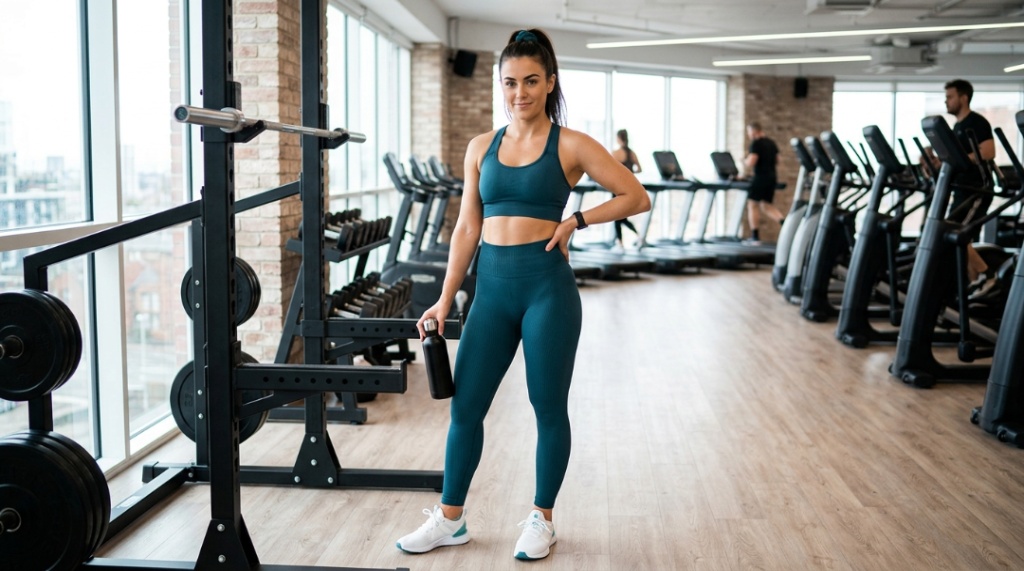

Building a solid fitness wardrobe is one of the best things you can do for your workout routine. When your clothes fit well and feel comfortable, you are more likely to show up and give your best effort. However, knowing where to start can feel overwhelming. There are so many options available that the process quickly becomes confusing.
The good news is that you do not need a huge budget or a closet full of gear. A smart, carefully chosen collection will serve you far better than a pile of items you never wear. This guide covers the gym clothing essentials every woman needs and gives you practical advice for building a collection that works for your lifestyle, your body, and your goals.
Start with Your Workout Style
Before you spend a single dollar, think about how you actually exercise. Your workout style shapes every purchase you make. A woman who runs outdoors five days a week needs very different gear from someone who prefers yoga or strength training.
Ask yourself a few simple questions. Do you sweat heavily during workouts? Do you exercise indoors or outdoors? Are your sessions high-impact or low-impact? Do you prefer tight-fitting clothes or looser styles? Your answers will guide your choices and help you avoid buying items that sit unused in a drawer.
Additionally, think about how often you exercise each week. If you work out four to five times a week, you will need enough pieces to rotate without doing laundry every day. Therefore, planning your quantity before you shop is just as important as planning your style.
The Foundation Pieces Every Collection Needs
Every great fitness wardrobe is built on a core set of foundation pieces. These are the items you will reach for again and again. Getting these right is the most important step in building your collection.
A Quality Sports Bra
The sports bra is the single most important item in any women’s fitness wardrobe. A poor-fitting sports bra causes discomfort, pain, and can lead to long-term tissue damage. Therefore, this is not the place to cut corners.
Match the support level to your activity. Low-impact activities like yoga or walking need light support. High-impact activities like running or HIIT require maximum support with encapsulation rather than just compression. Own at least three sports bras so you always have a clean one ready.
Leggings You Can Trust
Leggings are the workhorse of any fitness wardrobe. They should be squat-proof, moisture-wicking, and flexible enough to move freely in any direction. When you are shopping, always check the fabric. Look for a high percentage of nylon or polyester blended with spandex.
High-waisted leggings have become extremely popular for good reason. They stay in place during movement and provide light core support. However, the waistband should feel secure without digging into your skin. Try them on in a squat position before committing.
Breathable Tops
A good selection of workout tops rounds out your foundation. Aim for a mix of tank tops and short-sleeved shirts. Moisture-wicking fabric is essential here. Cotton might feel soft at first, but it absorbs sweat and becomes heavy and uncomfortable quickly.
Racerback tanks allow full shoulder movement and pair well with any sports bra. Loose-fit shirts are ideal for low-intensity workouts or yoga. Additionally, having a few long-sleeved options is useful for outdoor workouts in cooler weather.
Choosing the Right Fabrics for Performance and Comfort
Fabric choice is one of the most overlooked workout gear tips. The material your clothes are made from has a direct impact on how comfortable and effective your workouts feel. Understanding the basics will help you shop smarter.
Synthetic fabrics like polyester and nylon are the top choices for most workout clothing. They dry quickly, wick moisture away from your skin, and hold their shape after repeated washing. Nylon tends to be softer and more durable, while polyester is slightly more affordable.
Spandex, also known as elastane or Lycra, is blended into almost all athletic wear to provide stretch. A good legging typically contains between 20 and 30 percent spandex. This gives you the flexibility you need without the fabric feeling too loose.
For yoga and low-impact workouts, you might prefer a cotton blend. These feel softer and have a more casual look. However, avoid pure cotton for intense cardio, as it does not manage sweat effectively.
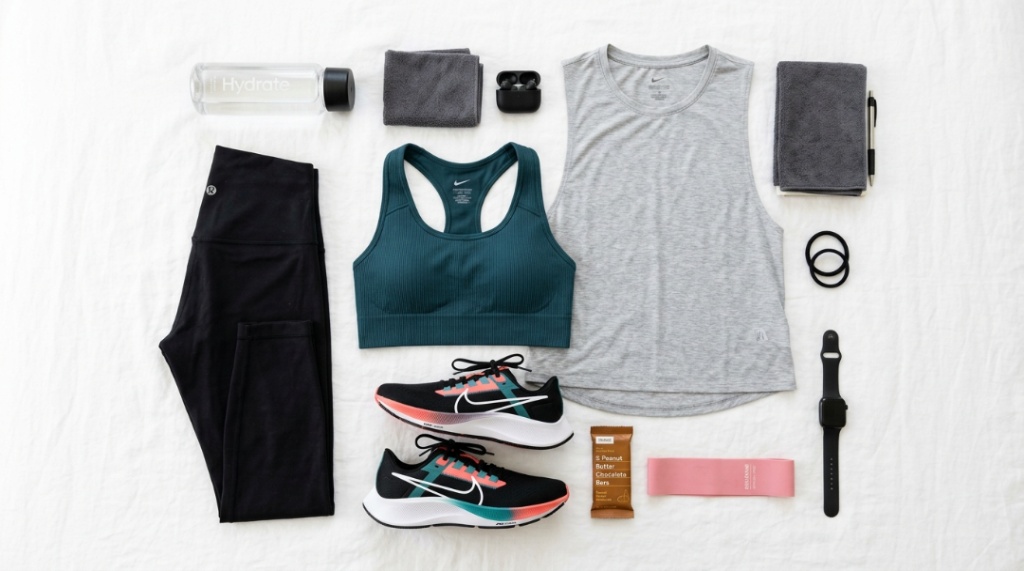
Building Beyond the Basics
Once you have your foundation pieces in place, you can start expanding your collection strategically. These secondary items add variety and prepare you for different workout scenarios.
Shorts and Joggers
Shorts are perfect for warmer months or intense cardio sessions when you want maximum airflow. Choose a length that feels comfortable for your activity. Bike shorts that hit mid-thigh are great for cycling and HIIT. Longer shorts work well for gym training.
Joggers are another excellent addition. They are ideal for warm-up sessions, rest days, or outdoor walks. Look for a tapered fit and a drawstring waist for the most versatile option.
A Layering Piece
A lightweight zip-up jacket or hoodie is an invaluable part of any fitness wardrobe. It keeps you warm during warm-ups and cool-downs. Additionally, it provides coverage when moving between the gym and your car or other spaces.
Look for a fitted style with moisture-wicking fabric. Avoid overly heavy materials. The goal is a layer that regulates temperature without restricting movement.
Supportive Footwear
Shoes are technically not apparel, but they are too important to ignore when building a fitness collection. Wearing the wrong shoes can lead to injury, poor performance, and discomfort.
If you do one activity, invest in shoes designed for that specific purpose. A dedicated running shoe is built differently from a cross-trainer or a weightlifting shoe. If you do multiple types of exercise, a quality cross-trainer can serve as a versatile starting point.
Smart Shopping Strategies for Every Budget
You do not need to spend a lot to build a great collection. Following a few simple workout gear tips will help you get the most value from every purchase.
Start with neutral colors. Black, grey, and navy blue are timeless and easy to mix and match. When everything coordinates, your collection feels twice as large. Additionally, neutral-colored items tend to stay in style longer than trendy prints.
Buy fewer, better pieces rather than many cheap ones. A well-made pair of leggings that lasts two years is a better investment than three cheap pairs that wear out in a few months. Therefore, prioritize quality for the items you use most.
Shop during end-of-season sales. Athletic wear goes on discount regularly. Buying leggings in late winter or sports bras at the end of summer can save you 30 to 50 percent on quality items.
Finally, do not ignore lesser-known brands. Many mid-range and direct-to-consumer brands offer excellent quality at fair prices. Read customer reviews and check return policies before buying online.
Caring for Your Fitness Wardrobe
Proper care dramatically extends the life of your gym clothing essentials. Synthetic fabrics need gentle treatment to maintain their performance properties. A few simple habits will keep your collection looking and feeling fresh.
Here are the key care rules to follow:
- Wash workout clothes after every use. Sweat and bacteria break down fabric fibers over time.
- Use cold water and a gentle cycle. Hot water shrinks elastic and degrades spandex.
- Avoid fabric softener. It coats synthetic fibers and reduces moisture-wicking performance.
- Air dry whenever possible. Dryer heat causes fabric to pill, shrink, and lose stretch.
- Turn garments inside out before washing to protect the outer surface and any printed designs.
These small steps add months or even years to the life of your favorite pieces.
Conclusion
Building the perfect women’s fitness apparel collection does not happen overnight. However, with a clear plan and smart choices, it is entirely achievable. Start by identifying your workout style and needs. Then build your foundation with quality sports bras, leggings, and tops in versatile colors.
Pay close attention to fabric choices, as performance materials make a genuine difference in comfort and durability. Expand your collection gradually with shorts, joggers, and layering pieces that suit your specific activities. Additionally, adopt simple care habits to protect your investment.
Most importantly, remember that the best fitness wardrobe is the one that motivates you to move. When you feel confident and comfortable in what you wear, every workout becomes a little easier to start and a lot more enjoyable to finish.
Frequently Asked Questions
1. How many workout outfits do I actually need?
For most women who exercise three to five times per week, four to six complete outfits is a practical number. This gives you enough rotation to allow for washing and drying without running out of clean gear. If you exercise daily, consider owning seven or more sets.
2. Is it worth spending more on high-end activewear brands?
It depends on the item. Sports bras and leggings benefit most from higher investment because fit and fabric quality have a direct impact on comfort and performance. However, basic tops and layering pieces can often be found at mid-range prices without sacrificing quality.
3. What should I look for in squat-proof leggings?
Look for a tight-knit, four-way stretch fabric with a high nylon or polyester content. Hold the fabric up to a light source and stretch it. If you can see through it, it will likely fail the squat test. Additionally, check reviews from buyers who mention this specifically.
4. Can I wear the same leggings for running and strength training?
Yes, in most cases. A good pair of high-waisted, moisture-wicking leggings works well for both activities. However, if you run long distances outdoors, you may prefer leggings with reflective details and a phone pocket. Dedicated running tights also tend to be slightly thinner for better mobility.
5. How often should I replace my workout clothes?
With proper care, quality workout clothes can last two to three years for regular users. Signs that it is time to replace an item include loss of elasticity, persistent odor even after washing, fabric pilling, or seams coming apart. Sports bras may need replacing sooner if the band loses its supportive structure.
Related Topics:
Get back into shape: perfect program and exercises to follow