
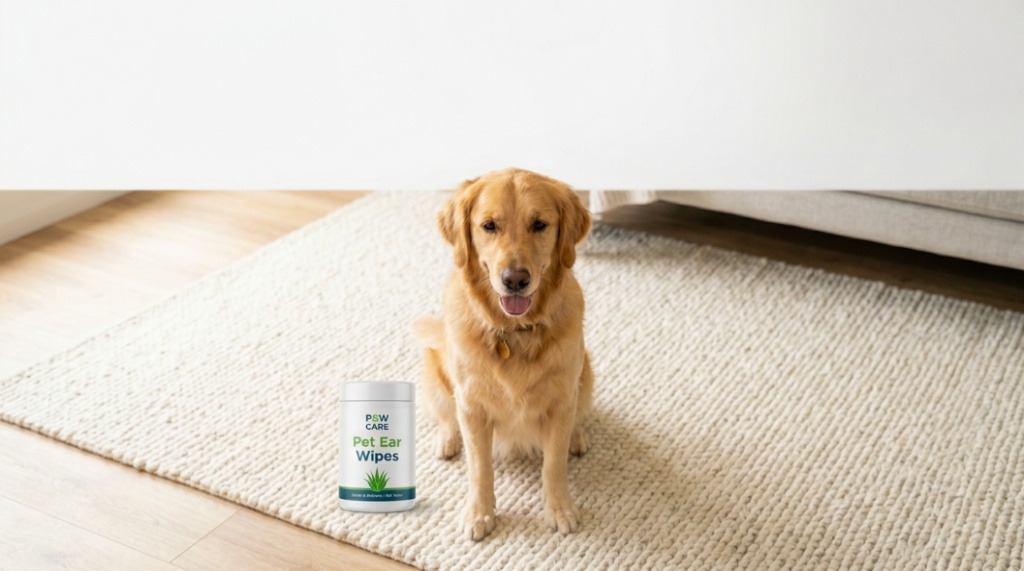

Most dog owners notice itchy dog ears only after the smell starts — but by then, bacteria or yeast may already be multiplying deep inside the ear canal. Using the right ear wipes consistently is one of the simplest ways to support yeast infection prevention, reduce wax buildup, control moisture, and stop recurring ear irritation before it becomes a painful infection.
Why Do Dogs Get Ear Infections So Often?
Dog ear infections usually develop when moisture, wax, dirt, allergens, or yeast become trapped inside the ear canal. Breeds with floppy ears, allergy-prone skin, or active outdoor lifestyles face higher risk.
Dogs have L-shaped ear canals. Unlike humans, their ears trap moisture more easily. This creates a warm environment where yeast and bacteria grow quickly. According to veterinary research, ear infections are among the top reasons dogs visit clinics every year.
Common triggers include:
- Excess ear wax buildup
- Allergies
- Swimming or frequent bathing
- Poor ear hygiene
- Food sensitivities
- Yeast overgrowth
- Dust, pollen, or debris
- Ear mites
Without proper cleaning, mild irritation can become chronic otitis externa — a painful inflammation affecting the outer ear canal.
How Can Ear Wipes Help Prevent Dog Ear Infections?
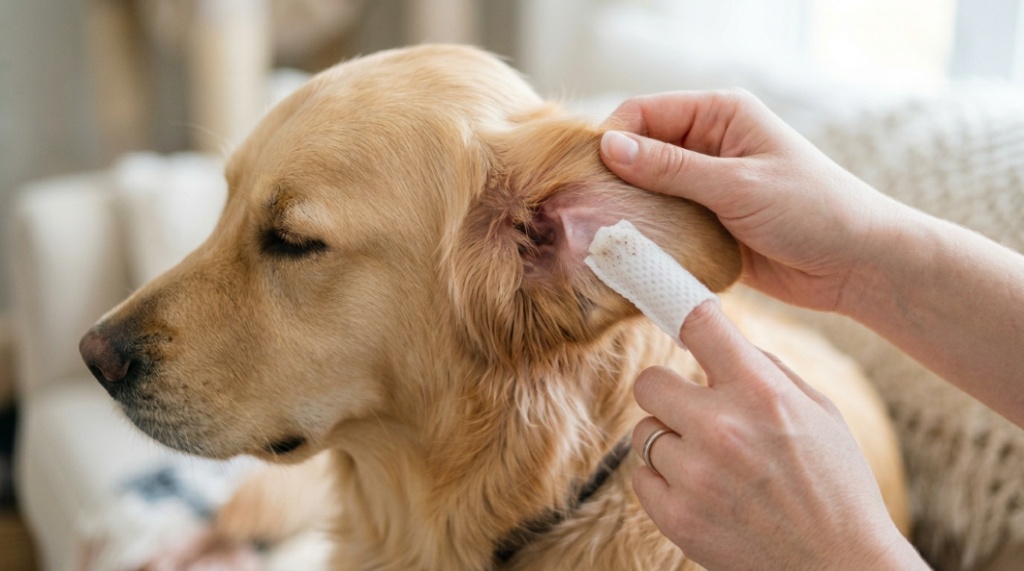
Ear wipes help remove wax, debris, moisture, and allergens before bacteria or yeast can multiply inside the ear canal.
Unlike liquid ear flushes, wipes offer controlled cleaning with less mess. They are especially useful for routine maintenance and early-stage prevention.
Good ear wipes support:
- Yeast infection prevention
- Reduction of odor
- Wax removal
- Moisture control
- Allergen removal
- Reduced itching and scratching
- Healthier ear microbiome balance
Many veterinarians recommend preventive ear cleaning for dogs prone to recurring infections.
What Are Signs Your Dog May Need Ear Cleaning?
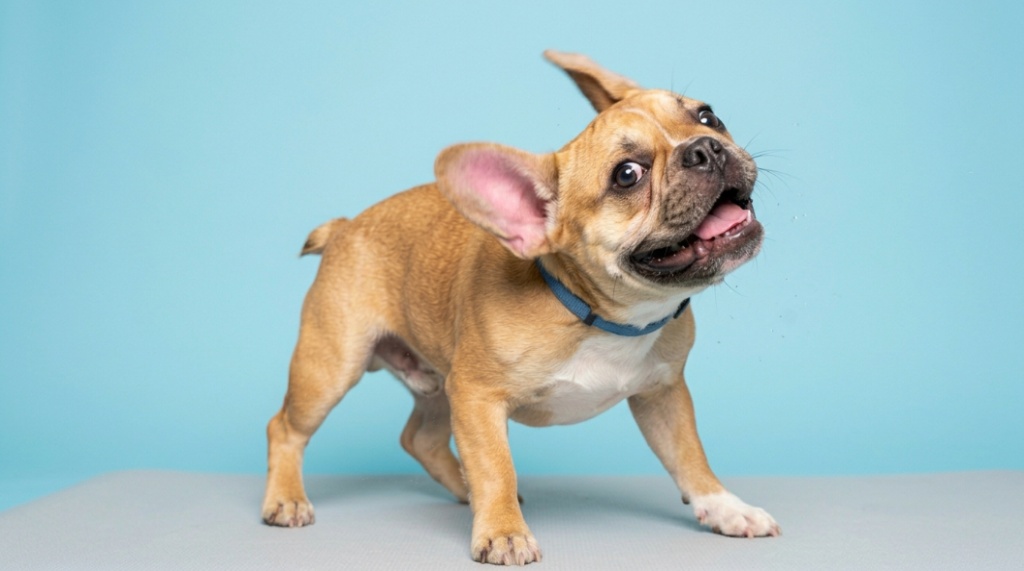
Frequent scratching, head shaking, redness, odor, or dark discharge are early signs your dog’s ears may need attention.
Watch for these symptoms:
- Persistent itching
- Brown, black, or yellow discharge
- Strong odor from ears
- Red or swollen ear flaps
- Frequent head tilting
- Rubbing ears against furniture
- Sensitivity when touched
- Crusty buildup inside ears
If symptoms worsen or include pain, bleeding, or balance issues, veterinary care is necessary.
What Ingredients Should You Look for in Dog Ear Wipes?
The best dog ear wipes contain gentle cleansing agents, antifungal support, and soothing ingredients without harsh alcohol or irritating chemicals.
| Ingredient | Purpose | Why It Matters |
|---|---|---|
| Aloe Vera | Soothes irritation | Helps reduce redness and itching |
| Witch Hazel | Natural cleanser | Removes oil and debris |
| Chlorhexidine | Antimicrobial support | Targets bacteria and yeast |
| Ketoconazole | Antifungal support | Useful for yeast-prone dogs |
| Coconut Oil | Moisturizing barrier | Supports healthy skin |
| Salicylic Acid | Wax breakdown | Helps loosen debris buildup |
Avoid products containing:
- Strong alcohol
- Artificial fragrance
- Hydrogen peroxide
- Harsh preservatives
- Essential oils unsafe for pets
Which Dogs Are Most Vulnerable to Ear Infections?
Dogs with floppy ears, allergies, dense ear hair, or swimming habits are more likely to develop chronic ear issues.
Higher-risk breeds include:
- Cocker Spaniels
- Basset Hounds
- Labrador Retrievers
- Golden Retrievers
- Poodles
- Shih Tzus
- Bulldogs
These breeds often trap moisture or develop excessive wax accumulation.
Dogs with environmental allergies also experience inflamed skin barriers, which increases microbial growth inside ears.
How Often Should You Use Dog Ear Wipes?
Most healthy dogs benefit from ear cleaning once or twice weekly, while high-risk dogs may need more frequent maintenance.
Cleaning frequency depends on:
- Breed type
- Swimming activity
- Allergy severity
- Wax production
- Outdoor exposure
- Previous infection history
Suggested Cleaning Schedule
| Dog Type | Recommended Frequency |
|---|---|
| Healthy indoor dogs | 1x weekly |
| Floppy-eared breeds | 2–3x weekly |
| Swimming dogs | After swimming sessions |
| Allergy-prone dogs | As directed by veterinarian |
Over-cleaning can irritate the ear canal, so balance matters.
How Do You Properly Clean Dog Ears With Ear Wipes?
Proper ear cleaning involves gently wiping visible debris without pushing dirt deeper into the ear canal.
Follow these steps:
- Keep your dog calm and relaxed.
- Lift the ear flap gently.
- Use one clean wipe per ear.
- Wipe visible wax and debris carefully.
- Never insert fingers deeply into the canal.
- Reward your dog afterward.
Do not use cotton swabs inside the ear canal. They can push debris deeper and damage tissue.
Can Ear Wipes Help With Yeast Infection Prevention?
Yes. Ear wipes help control moisture and remove debris that feed yeast overgrowth inside dog ears.
Yeast naturally exists on dog skin in small amounts. Problems begin when warmth, moisture, and inflammation disrupt balance.
Common yeast infection signs include:
- Sweet or musty odor
- Dark brown discharge
- Constant scratching
- Greasy ear texture
- Inflamed ear canal
Routine cleaning helps reduce conditions that allow yeast colonies to spread.
Veterinary dermatologists often emphasize prevention because recurring yeast infections can permanently thicken the ear canal over time.
Are Ear Wipes Better Than Liquid Ear Cleaners?
Ear wipes are better for routine maintenance, while liquid cleaners may work better for deeper cleaning under veterinary guidance.
| Feature | Ear Wipes | Liquid Cleaners |
|---|---|---|
| Ease of use | Very easy | Moderate |
| Mess level | Low | High |
| Daily maintenance | Excellent | Moderate |
| Deep canal cleaning | Limited | Better |
| Travel friendly | Excellent | Moderate |
Many dog owners combine both methods depending on veterinary recommendations.
What Mistakes Make Dog Ear Problems Worse?
Using harsh products, over-cleaning, or ignoring early symptoms often worsens ear infections.
Common mistakes include:
- Using human ear products
- Cleaning too aggressively
- Ignoring foul odor
- Allowing moisture after swimming
- Using unsafe homemade remedies
- Stopping treatment too early
- Skipping allergy management
Chronic ear inflammation can eventually damage hearing if left untreated.
Can Allergies Cause Itchy Dog Ears?
Yes. Food allergies and environmental allergens are major causes of itchy dog ears and recurring inflammation.
Dogs with allergic skin disease often experience:
- Red ears
- Paw licking
- Skin rashes
- Hot spots
- Frequent infections
Common allergy triggers include:
- Chicken
- Dairy
- Dust mites
- Pollen
- Mold spores
- Grass exposure
In these cases, ear wipes help manage symptoms but do not replace full allergy treatment.
What Should You Do After Your Dog Swims?
Drying and cleaning ears after swimming is one of the best ways to reduce infection risk.
Water trapped inside the ear canal creates ideal conditions for bacteria and yeast.
After swimming:
- Dry outer ears gently
- Use preventive ear wipes
- Check for redness or odor
- Avoid leaving ears damp
Sporting breeds and water-loving dogs especially benefit from post-swim ear maintenance.
Can Puppies Use Dog Ear Wipes Safely?
Most puppy-safe ear wipes are gentle enough for routine cleaning when used correctly.
Puppies often experience:
- Dirt buildup
- Mild wax accumulation
- Environmental exposure during training
Choose wipes specifically labeled for puppies or sensitive skin.
Avoid medicated wipes unless recommended by a veterinarian.
When Should You See a Veterinarian for Dog Ear Problems?
Persistent odor, swelling, discharge, pain, or repeated infections require professional veterinary evaluation.
Veterinarians may perform:
- Ear cytology testing
- Bacterial culture
- Microscopic examination
- Allergy assessments
- Prescription treatment plans
Recurring infections may indicate underlying issues such as:
- Food allergies
- Hormonal imbalance
- Autoimmune disease
- Ear polyps
- Resistant bacteria
How Can You Build a Long-Term Dog Ear Care Routine?
Consistent preventive care is more effective than treating repeated infections after symptoms appear.
A healthy routine includes:
- Weekly ear inspections
- Routine ear wipe use
- Post-swim drying
- Balanced nutrition
- Allergy management
- Veterinary checkups
Simple habits dramatically lower the chances of chronic ear disease.
Conclusion
Dog ear infections rarely appear overnight. Most begin as mild irritation, trapped moisture, or unnoticed wax buildup that slowly develops into painful inflammation. That is why preventive care matters far more than emergency treatment.
Using the right ear wipes consistently helps control itchy dog ears, supports yeast infection prevention, removes debris, and protects sensitive ear tissue before serious infections develop. Combined with allergy management, proper drying after swimming, and routine ear checks, ear wipes become a powerful part of long-term canine health.
Healthy ears improve comfort, sleep, mood, and overall quality of life for dogs. A few minutes of weekly care can prevent expensive veterinary visits and recurring discomfort later.
If your dog shows persistent symptoms like odor, swelling, or discharge, consult a veterinarian immediately. Early treatment always produces better outcomes.
FAQ: Dog Ear Wipes & Ear Infection Prevention
Can dog ear wipes prevent ear infections completely?
Ear wipes significantly reduce infection risk by removing wax, moisture, and debris, but they cannot guarantee full prevention if allergies or medical conditions exist.
How do I know if my dog has a yeast ear infection?
Signs often include a musty smell, dark discharge, redness, greasy buildup, and frequent scratching or head shaking.
Are baby wipes safe for cleaning dog ears?
No. Baby wipes may contain ingredients that irritate dog ears or disrupt the natural skin barrier.
Can I clean my dog’s ears every day?
Daily cleaning is usually unnecessary and may irritate sensitive tissue. Most dogs need weekly maintenance unless advised otherwise by a veterinarian.
What dog breeds get ear infections most often?
Floppy-eared breeds like Cocker Spaniels, Basset Hounds, Labradors, and Golden Retrievers face higher infection risk due to reduced airflow.
Should I use ear wipes after every swim?
Yes. Removing trapped moisture after swimming helps reduce bacterial and yeast growth inside the ear canal.
What ingredients help with yeast infection prevention?
Ingredients like chlorhexidine, ketoconazole, witch hazel, and salicylic acid commonly support healthy ear hygiene and microbial balance.