
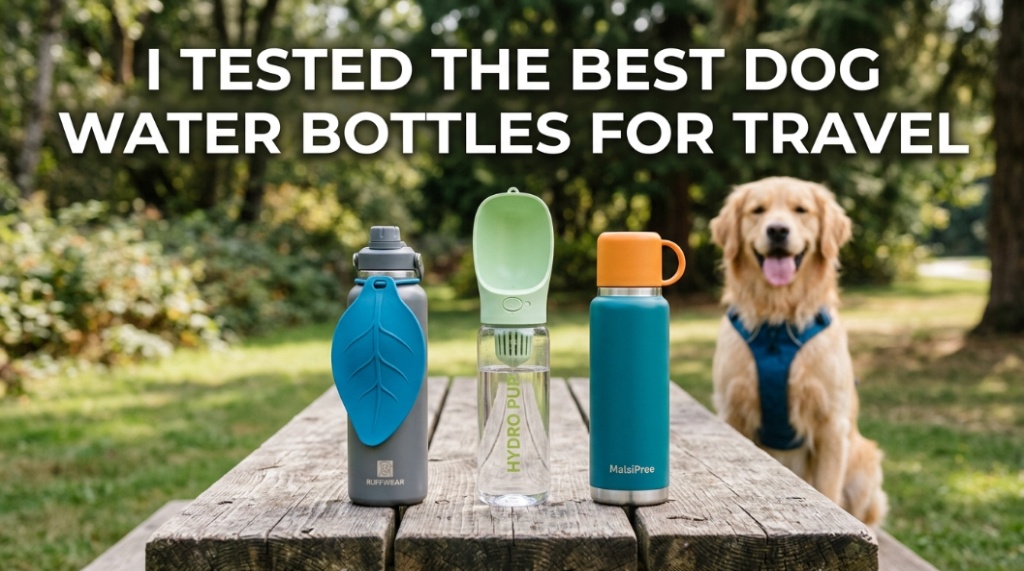

Keeping dogs hydrated during travel sounds simple until you deal with leaking bottles, wasted water, and messy roadside stops. In fact, veterinarians often warn that mild dehydration can affect a dog’s energy, body temperature, and digestion much faster during outdoor activities. Recent pet travel surveys also show that more than 60% of dog owners now carry dedicated hydration gear on trips and hikes. After testing several popular dog water bottles during road trips, city walks, beach visits, and hot-weather hikes, I found that only a few actually worked well in real-life situations. This guide breaks down what performed best, what failed badly, and what features genuinely matter for traveling dog owners.
Why a Good Dog Water Bottle Matters During Travel
Dogs lose water quickly while traveling because excitement, heat, stress, and movement increase panting. Many owners underestimate how fast dehydration develops during long drives or outdoor adventures. Portable dog water bottles help control water access while reducing contamination from public bowls. They also make hydration easier during stops where clean water may not be available.
During my testing, I noticed that cheap bottles often leaked inside backpacks after only a few hours. Some models also wasted large amounts of unused water after every sip session. Meanwhile, well-designed options allowed one-handed operation and easy water recovery. While focusing on hydration during travel, I also learned how overall pet hygiene affects comfort on trips through this helpful guide about preventing dog ear infections during outdoor activities.
Travel conditions also change hydration needs significantly depending on climate and terrain. A dog walking in humid coastal weather drinks differently than one hiking in dry mountain air. Similarly, puppies and senior dogs require more frequent hydration breaks than healthy adult dogs. Therefore, choosing the right bottle matters more than most people realize.
How I Tested These Dog Water Bottles
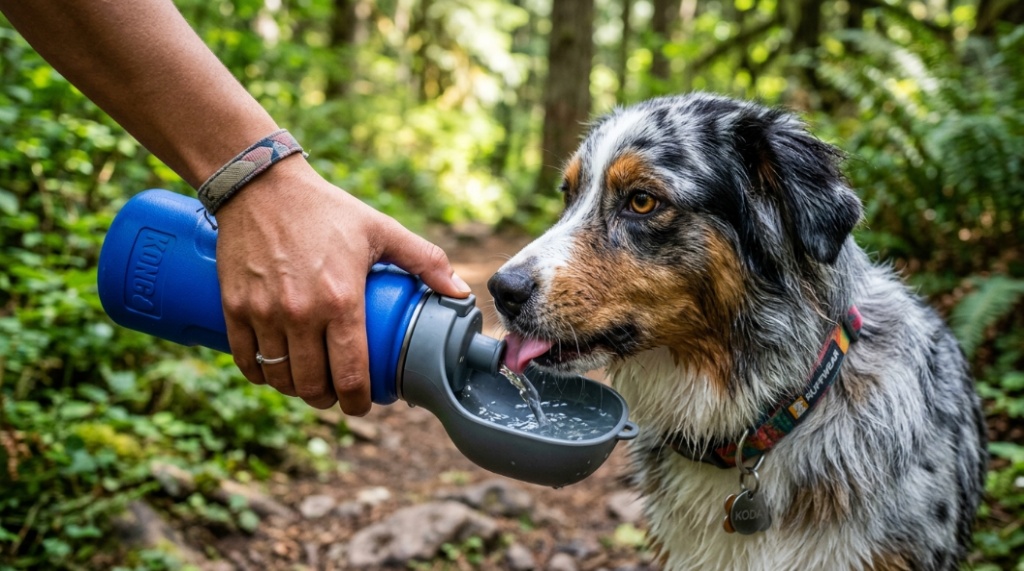
I tested each bottle during multiple travel situations over several weeks. The environments included crowded urban areas, hiking trails, beach outings, and long highway road trips. I also tested performance during both cool mornings and extremely hot afternoons. This approach revealed which products stayed reliable under changing conditions.
The evaluation focused on five important factors that affect daily usability. First, I checked leak resistance while bottles stayed inside bags and car compartments. Next, I tested ease of use with one hand because managing dogs and gear simultaneously gets difficult fast. I also measured portability, cleaning difficulty, and water waste during each trip.
Some bottles looked impressive online but failed quickly in practical use. Others appeared simple but performed surprisingly well during extended outdoor activities. Interestingly, the best-performing products were not always the most expensive ones. Instead, smart design choices created the biggest difference.
The Features That Actually Made a Difference
Leak-Proof Locking Systems
The most important feature was a reliable lock system that prevented accidental leaks. Several bottles advertised leak resistance but still dripped inside backpacks during car rides. However, models with secure silicone seals and physical lock buttons performed much better. Even after rough movement, these bottles stayed dry.
Leak prevention matters even more during summer travel because moisture can damage electronics and food supplies inside travel bags. Additionally, leaking water reduces the amount available for the dog later in the trip. Therefore, a trustworthy locking mechanism saves both water and frustration. I quickly stopped carrying any bottle that failed this basic test.
One-Handed Operation
Traveling with dogs often requires multitasking while managing leashes, treats, or luggage. Bottles with squeeze activation or quick-release buttons made hydration much easier during active situations. In contrast, twist-open systems slowed everything down and created unnecessary messes. Convenience became especially important during roadside rest stops.
One-handed operation also helped during hiking breaks on uneven terrain. I could quickly offer water without placing bags on dirty ground or struggling with complicated lids. As a result, my dogs drank more frequently and comfortably during long walks. Small design improvements created a surprisingly big impact during real travel scenarios.
Water Recovery Systems
One uncommon but extremely useful feature involved returning unused water back into the bottle. Many travel bottles waste leftover water after each drinking session because the liquid stays trapped in the tray area. However, a few smart designs allowed excess water to flow back into storage. This feature became invaluable during long trips.
Most blogs rarely discuss water recovery systems even though they solve a major travel problem. During hot weather hikes, conserving clean water becomes critical for both safety and convenience. I noticed significant water savings when using recovery-enabled bottles on full-day outings. Consequently, these models lasted much longer between refills.
The Best Dog Water Bottles That Actually Worked
Best Overall: Malsi Pree Portable Dog Water Bottle
This bottle delivered the best balance between portability, durability, and ease of use. Its lock system stayed secure during hikes, car rides, and crowded airport movement. The one-button operation also worked smoothly with one hand. Most importantly, the bottle returned unused water back into storage effectively.
The curved drinking tray fit medium and large dogs comfortably without creating spills. Cleaning also remained simple because the design separated easily into multiple parts. Although slightly bulky for small purses, it fit well inside backpacks and travel organizers. Overall, it consistently performed well across nearly every travel environment.
Best for Hiking: Gulpy Water Dispenser
The Gulpy model worked exceptionally well for hiking and trail walking because of its lightweight design. Instead of using a tray system, it attached directly to standard water bottles. This reduced overall carrying weight significantly during long outdoor adventures. Additionally, the folding design packed easily into side pockets.
However, this model worked better for medium and large dogs than tiny breeds. Smaller dogs sometimes struggled with the drinking flow during quick stops. Still, the simplicity and portability made it one of the best hiking-friendly hydration options tested. It also cleaned much faster than several larger bottles.
Best Budget Choice: LESOTC Dog Water Bottle
This affordable bottle surprised me with solid leak resistance and decent durability. Despite its lower price, it survived multiple travel days without cracking or dripping. The operation remained simple and reliable during city walks and short road trips. It also included a carrying strap that improved convenience.
The main weakness involved limited tray space for large dogs with broad snouts. Nevertheless, smaller and medium-sized dogs drank comfortably from it during testing. Budget-conscious travelers who want dependable hydration support would likely find this option sufficient. For casual travel, it offered excellent value.
Best for Large Dogs: Highwave AutoDogMug
Large dogs often struggle with compact tray-style bottles because they need more water access at once. The Highwave AutoDogMug solved this issue using a squeeze-bowl design that filled a larger drinking area instantly. Big breeds drank naturally and comfortably without frustration. This became especially useful during hot weather travel.
Although slightly larger than some portable models, it worked extremely well during road trips and campground stays. The durable construction also handled rough outdoor conditions easily. Furthermore, the squeeze mechanism allowed quick refills during active movement. Owners of large breeds would likely appreciate its practical design.
What Failed During Testing
Several popular online options performed poorly despite strong marketing claims and high ratings. Thin plastic bottles cracked after minor drops onto pavement or trail rocks. Others leaked slowly around the cap after only a few uses. Some also developed unpleasant odors because of poor interior materials.
Complicated folding systems caused another major issue during testing. Many required two hands and several steps before the dog could drink comfortably. Consequently, hydration breaks became frustrating instead of convenient. Simpler designs consistently outperformed overly engineered products.
I also noticed that extremely narrow trays discouraged dogs from drinking enough water. Some pets stopped drinking after only a few sips because the tray shape felt awkward. Therefore, comfort matters just as much as portability when choosing travel hydration gear. Practical usability always beats flashy appearance.
How Different Climates Changed Bottle Performance
Hot and Humid Weather
Humid environments caused dogs to pant continuously even during light activity. Bottles with larger water capacity performed better because refill opportunities became less predictable. Additionally, insulated models helped maintain cooler water temperatures longer. Dogs clearly preferred cooler water during intense heat.
Humidity also increased bacterial growth risk inside poorly cleaned bottles. Therefore, easy cleaning became even more important during tropical or coastal travel. I cleaned bottles daily during humid-weather testing to prevent odors and slime buildup. High-quality materials handled this much better.
Dry Mountain Environments
Dry air caused dehydration faster than expected during mountain hikes and elevated trails. Dogs drank more frequently even when temperatures felt relatively cool. Water recovery systems became incredibly useful because refill stations were limited. Consequently, water conservation mattered more than convenience alone.
Dust exposure also affected bottle cleanliness during mountain travel. Models with covered drinking trays stayed cleaner throughout the day. Meanwhile, open-tray systems collected dirt and debris quickly during windy conditions. Environmental factors clearly influenced bottle effectiveness.
Cold Weather Travel
Cold temperatures reduced overall drinking frequency but created freezing concerns during outdoor trips. Thin plastic bottles became stiff and uncomfortable to squeeze during winter testing. Meanwhile, insulated designs prevented partial freezing more effectively. Even in cold weather, dogs still required regular hydration breaks.
Winter road trips also highlighted the importance of compact storage. Bulky bottles became inconvenient inside heavy winter gear setups. Therefore, portability mattered differently depending on seasonal conditions. Flexible travel planning improved overall hydration management significantly.
Cleaning and Maintenance Tips Most Owners Ignore
Many dog owners focus heavily on bottle design while ignoring cleaning requirements entirely. However, bacteria and mold grow quickly inside damp travel bottles, especially during warm weather. I found residue buildup inside hidden seals after only a few days of use. Therefore, regular deep cleaning is essential for safe hydration.
The best bottles separated easily into individual washable parts. Narrow-neck designs often trapped moisture and became difficult to clean properly. Furthermore, silicone seals required extra attention because bacteria collected underneath them. Cleaning convenience strongly affected long-term usability.
Interestingly, pet travel hygiene extends beyond water bottles alone. Dogs that travel frequently also experience stress-related grooming and comfort issues during new environments. I came across useful travel-adjustment advice while reading this article about creative ways dog owners preserve pet memories and routines, which highlighted how familiar habits can reduce anxiety during travel.
Tips for Keeping Dogs Hydrated During Travel
- Offer small amounts of water frequently instead of waiting for heavy panting.
- Carry extra water during hot weather and mountain travel.
- Stop every 1–2 hours during long car rides for hydration breaks.
- Use cooler water in summer but avoid ice-cold water after intense exercise.
- Monitor gums and energy levels for early dehydration signs.
Dogs sometimes refuse water during stressful travel situations despite being thirsty. In those cases, familiar routines and calm rest stops help encourage drinking. Additionally, collapsible bowls can work well as backup hydration tools. Preparation prevents most travel hydration problems before they become serious.
Final Verdict: Which Dog Water Bottles Are Worth Buying?
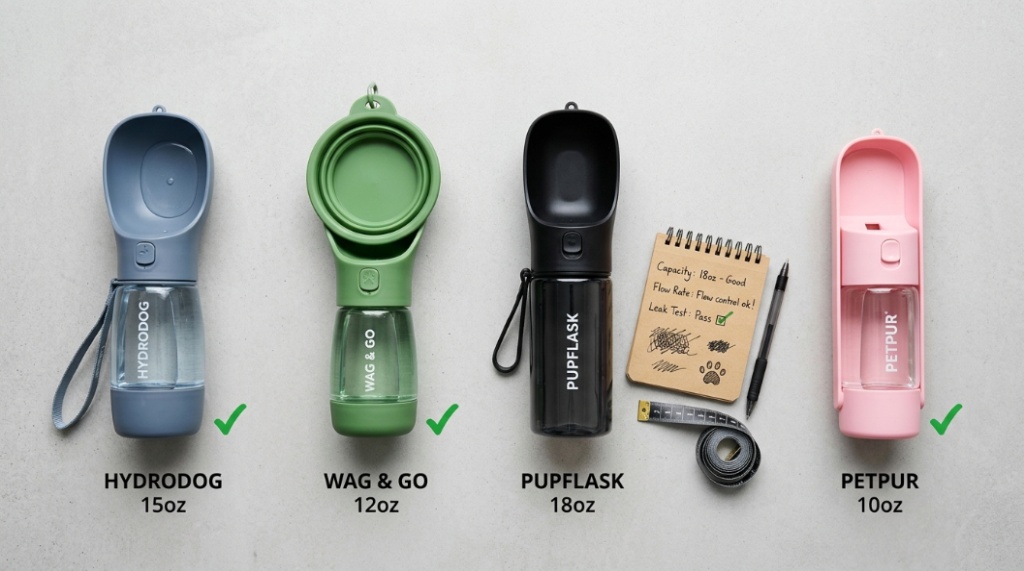
After extensive testing across multiple environments, the best dog water bottles combined leak resistance, one-handed usability, easy cleaning, and water conservation. Fancy designs rarely mattered if the bottle leaked or wasted water constantly. The MalsiPree model delivered the strongest overall performance, while specialized options worked better for hiking or large breeds. Ultimately, the right choice depends on your dog’s size, travel habits, and climate conditions.
Reliable hydration gear improves both safety and comfort during every trip, whether you travel across cities or explore mountain trails regularly. Investing in a well-designed bottle saves frustration while helping dogs stay healthier during active adventures. If you are preparing for travel with a young dog, this guide on coping with a new puppy during life changes also offers useful advice for smoother outings and better routine management. Choose a bottle that fits your travel style, clean it consistently, and make hydration breaks part of every journey.
FAQs
How often should dogs drink water during travel?
Most dogs should drink small amounts of water every 30–60 minutes during active travel.
Are insulated dog water bottles worth buying?
Yes, insulated bottles help maintain cooler water temperatures during hot-weather trips.
Can dogs share human water bottles while traveling?
Dogs can share temporarily, but dedicated bottles reduce contamination and improve convenience.
What size dog water bottle works best for hiking?
A 20–25 ounce bottle usually works well for medium-length hiking trips.
How do I clean a dog travel water bottle properly?
Wash all removable parts daily with warm soapy water and dry them completely.