
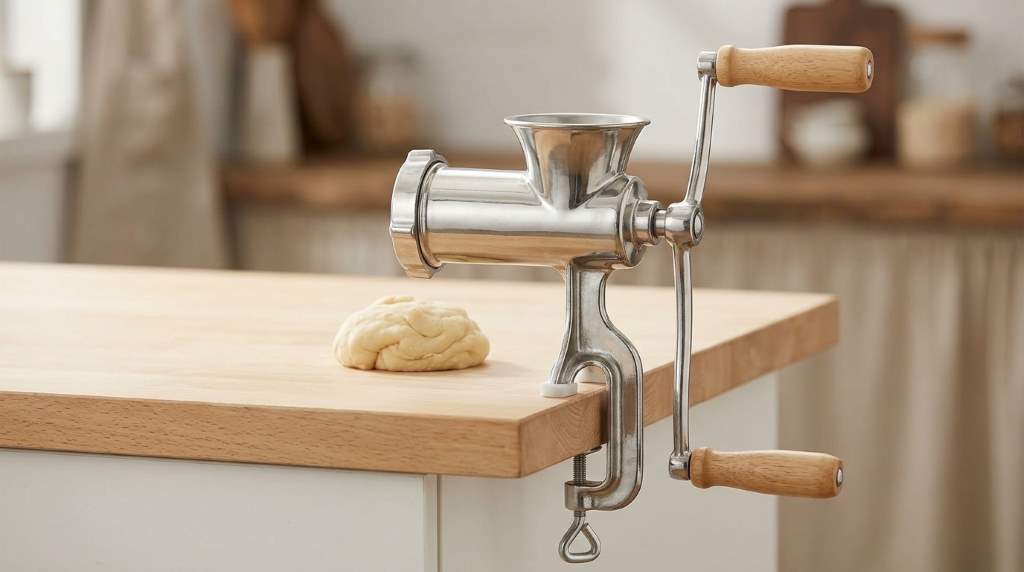

Yes, the Tnfeeon Stainless Steel Cavatelli & Gnocchi Maker can make homemade pasta more consistent and less labor-intensive. A Tnfeeon pasta maker uses a manual crank, so you get hands-on control without electricity. For home cooks, its biggest appeal comes from shaping cavatelli and gnocchi quickly. However, the machine suits focused pasta making better than all-purpose pasta production.
Key Takeaways
- Best for: Home cooks who regularly make cavatelli and gnocchi.
- Operation: Manual hand-crank operation needs no electricity.
- Main advantage: Faster shaping than forming every piece by hand.
- Build consideration: Stainless steel construction can offer durability and easier maintenance.
- Important limitation: A specialized pasta press cannot replace a full pasta roller.
- Best results: Consistent dough texture and controlled flouring matter greatly.
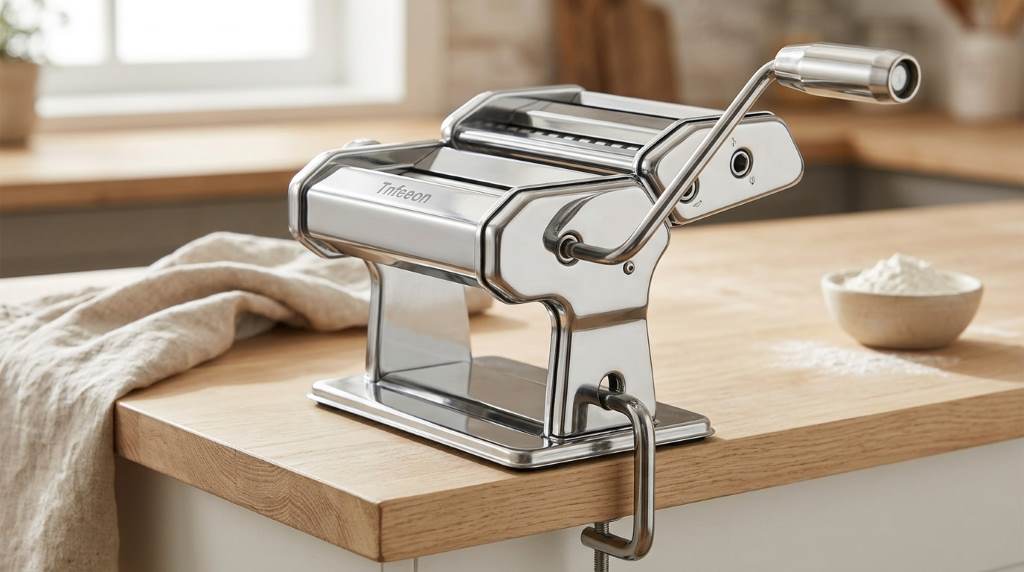
What Is the Tnfeeon Cavatelli & Gnocchi Maker?
The Tnfeeon Stainless Steel Cavatelli & Gnocchi Maker is a compact manual pasta-forming machine. It uses a hand crank to move dough through its shaping mechanism. Therefore, you control the production speed instead of relying on an electric motor.
Unlike traditional pasta rollers, this tool focuses on distinctive short pasta shapes. Cavatelli and gnocchi benefit from textured surfaces because those ridges help sauces cling during cooking. Consequently, the machine targets cooks who value shape consistency and efficient preparation.
The stainless steel design also gives the tool a practical advantage in busy kitchens. Metal construction generally feels sturdier than lightweight plastic alternatives during repeated manual operation. Still, build quality matters more than appearance, so inspect joints, rollers, clamps, and moving parts carefully.
Its hand-crank format also keeps the process straightforward. You prepare suitable dough, position it correctly, turn the handle, and collect the shaped pieces. Because the process stays mechanical, you can adjust your pace whenever the dough needs attention.
Design, Materials, and Countertop Stability
A pasta maker needs more than attractive stainless steel to perform well. The frame must remain stable while the crank receives repeated turning force. Otherwise, the machine can shift, interrupting the dough flow and producing inconsistent pieces.
For comparison, similar countertop cavatelli machines commonly use clamps to secure the body during operation. Some models fit worktops around 1⅜ inches thick, showing why countertop compatibility deserves attention. Before buying, measure your counter edge and check the product’s stated clamp range.
Stainless steel also makes sense for a tool exposed to flour, dough, moisture, and frequent handling. However, stainless steel does not automatically make every component maintenance-free. You should still dry the machine thoroughly after cleaning and prevent dough from remaining inside moving areas.
In addition, consider the crank position before committing to a permanent kitchen setup. A comfortable handle reduces awkward wrist movement during larger batches. For longer sessions, that ergonomic detail can matter as much as the material itself.
Why Counter Stability Matters
Stable placement lets you maintain a steady rhythm while feeding dough into the machine. That consistency helps produce similarly sized pieces and reduces accidental dough bunching. Therefore, always secure the machine before loading your first dough strip.
If your kitchen has limited ventilation or generates substantial cooking heat, planning the workspace also helps. This guide on keep commercial kitchens cool offers broader workspace considerations. Although the Tnfeeon operates without electricity, comfortable surroundings still make manual pasta preparation easier.
How the Hand-Crank Pasta Press Performs
The hand-crank mechanism creates the defining experience of this pasta maker. You supply the force, while the machine guides and shapes the dough. As a result, you gain more tactile control than with many automated kitchen appliances.
However, performance depends heavily on dough consistency. Dough that feels excessively wet can stick, while overly dry dough may resist shaping. Therefore, aim for firm, workable dough that holds together without becoming tacky.
Start with smaller dough portions instead of forcing a large mass through the mechanism. Smaller pieces give you better control and reduce unnecessary pressure on the moving components. Gradually increase the amount once you understand how your dough behaves.
Flour management also affects the final result. Use enough flour to prevent sticking, but avoid coating the dough excessively. Too much loose flour can make handling messy and may interfere with sauce adhesion after cooking.
Most importantly, turn the crank at a steady pace rather than rushing. A consistent rhythm helps the dough travel smoothly through the shaping area. If resistance suddenly increases, stop and inspect the dough instead of forcing the handle.
What About Cavatelli Texture?
Cavatelli should have a defined shape with enough surface texture to hold sauce effectively. A mechanical former can create more uniform pieces than completely manual shaping. Nevertheless, dough hydration and feeding technique still determine much of the final texture.
Gnocchi requires a slightly different mindset because tenderness matters more than aggressive shaping. Excessive handling can make potato-based dough dense and chewy. Therefore, use gentle preparation techniques before feeding suitable dough through the machine.
Making Pasta With Less Mess and More Control
Fresh pasta preparation can become messy when flour spreads across counters, handles, and nearby appliances. A compact hand-crank machine can reduce unnecessary movement because shaping happens in one defined workspace. Still, preparation remains the key to keeping the area organized.
Set out your flour, dough portions, tray, scraper, and drying surface before starting. This simple arrangement prevents you from stopping repeatedly while the machine holds partially processed dough. Additionally, keep a small bowl nearby for excess flour and dough scraps.
Kitchen cleanliness matters after shaping pasta, especially when flour settles around equipment. You can also explore these fresher smelling kitchen ideas for broader kitchen maintenance. A clean workspace makes repeated pasta sessions feel considerably easier.
After each batch, remove loose dough before it dries around moving parts. Use the manufacturer’s recommended cleaning method rather than assuming every stainless steel component tolerates soaking. Then dry accessible surfaces completely before storage.
Avoid treating the machine like a disposable kitchen gadget. Regular inspection can reveal loose fasteners, dough buildup, unusual friction, or damaged components before those issues become serious. That habit also helps preserve consistent performance over time.
Is It Easy for Beginners to Use?
Yes, the basic operating concept is beginner-friendly once the dough reaches the correct consistency. The machine does not require electrical controls, complicated programming, or multiple digital settings. Instead, you learn through hand pressure, dough behavior, and crank speed.
Beginners should first practice with a small batch. This approach lets you understand how much dough the machine handles comfortably. It also makes mistakes easier to correct without wasting a large quantity of ingredients.
Feed the dough gradually and watch the first pieces closely. If they emerge unevenly, pause and adjust the dough strip rather than blaming the machine immediately. Often, inconsistent feeding causes more problems than the mechanism itself.
After several attempts, the process becomes rhythmic. One hand can guide the dough while the other turns the crank, depending on the machine’s layout. That coordination eventually makes batch preparation feel much faster and more natural.
Tnfeeon Pasta Maker Pros and Cons
Every specialized kitchen tool involves tradeoffs, and this pasta press deserves a balanced assessment. Its strengths become clearer when you compare its intended purpose with its limitations. The following points summarize where it makes sense and where expectations should remain realistic.
- Pros: Manual operation requires no electricity.
- Pros: Stainless steel construction can provide a durable working platform.
- Pros: Hand cranking gives direct control over production speed.
- Pros: Specialized shaping can save substantial time compared with forming pieces individually.
- Pros: Compact countertop operation suits many home kitchens.
- Cons: Specialized shaping limits its usefulness for cooks wanting many pasta styles.
- Cons: Manual cranking requires physical effort during larger batches.
- Cons: Dough consistency strongly affects feeding and shaping quality.
- Cons: Cleaning requirements can increase when dough enters difficult-to-reach areas.
These tradeoffs make the Tnfeeon more attractive for frequent cavatelli and gnocchi preparation. Conversely, cooks wanting lasagna sheets, spaghetti, or fettuccine may need another machine. Therefore, define your pasta goals before choosing a specialized press.
What Dough Works Best?
The best dough depends on the pasta shape you want to produce. Cavatelli commonly benefits from a firm dough that maintains structure during mechanical shaping. Gnocchi dough requires more delicate handling because texture directly affects tenderness.
Use measured ingredients whenever possible because small hydration changes can alter the dough dramatically. A kitchen scale provides better repeatability than measuring flour by volume. Consequently, recording successful ratios can help you reproduce your preferred texture.
Let the dough rest when your recipe requires it. Resting allows moisture to distribute more evenly through the flour. That change can improve elasticity and make the dough easier to handle.
Do not add excessive flour simply because the dough feels slightly soft. Instead, work the dough briefly and reassess its texture. Too much added flour can produce a dense final pasta that lacks the tenderness you want.
Cleaning and Maintenance Tips
Cleaning should begin immediately after you finish shaping the final batch. Fresh dough becomes harder to remove once it dries around rollers, cutters, or seams. Therefore, wipe accessible areas before residue becomes stubborn.
Follow the manufacturer’s cleaning instructions for the exact Tnfeeon model you purchase. Avoid immersing mechanical equipment unless the instructions specifically permit it. After cleaning, dry every accessible metal surface thoroughly.
Never use aggressive abrasives simply to restore a polished appearance. Scratches can make surfaces harder to maintain and may affect the finish over time. Instead, choose gentle cleaning tools appropriate for stainless steel kitchen equipment.
Storage also matters because humidity can affect neglected metal surfaces and surrounding components. Keep the machine somewhere dry and protected from unnecessary kitchen splashes. A covered shelf or cabinet can reduce dust accumulation between pasta sessions.
Who Should Buy the Tnfeeon Pasta Press?
This machine makes the most sense for cooks who repeatedly prepare cavatelli or gnocchi at home. It can also suit families who enjoy hands-on cooking projects without adding another electrical appliance. The manual design keeps the process interactive and straightforward.
It may also appeal to cooks with limited counter space. A specialized manual press can occupy less functional space than a large electric pasta system. However, you still need enough room to feed dough and collect finished pieces comfortably.
On the other hand, occasional pasta makers should consider whether the specialized function justifies another kitchen tool. A simple gnocchi board or manual shaping method may satisfy cooks who prepare these foods only occasionally. Your usage frequency should therefore guide the purchasing decision.
Also consider the accessories you already own. A rolling pin, bench scraper, drying rack, and kitchen scale can complement this machine effectively. Before buying additional tools, check whether existing equipment already covers part of your pasta workflow.
What to Check Before Buying
Price should not become your only purchasing criterion when evaluating a hand-crank pasta press. Examine construction, countertop compatibility, cleaning requirements, included components, and replacement-part availability. Those details determine the tool’s practical value after the initial purchase.
Also compare the machine’s intended pasta shapes with your regular recipes. If you mainly cook long pasta, a traditional roller and cutter may provide better versatility. If short shaped pasta dominates your menu, a dedicated press becomes more compelling.
Pay attention to inexpensive accessories as well. Before purchasing related tools, review this guide on cheap pasta forks for useful buying considerations. The same principle applies here: low price alone does not guarantee useful kitchen performance.
Finally, check current seller information before ordering. Product listings can change specifications, included accessories, warranty terms, and availability. Confirm the exact version shown on the listing rather than relying on an older product description.
How to Get Better Results From the First Batch
Begin with a tested dough recipe instead of experimenting with several variables simultaneously. That strategy lets you identify whether a problem comes from dough preparation or machine handling. Once the process works, experiment with hydration and flour blends gradually.
Keep each dough portion reasonably consistent in size. Uniform portions make feeding more predictable and reduce sudden changes in resistance. Furthermore, consistent portions help you compare results between batches.
Maintain a steady crank rhythm throughout the shaping process. If the dough starts sticking, pause and correct the issue rather than applying extra force. Mechanical resistance usually signals a feeding, hydration, or cleaning problem.
Finally, cook a small test portion before producing an entire batch. Check tenderness, shape retention, and sauce adhesion after cooking. This quick test can prevent a full batch from disappointing you at dinner.
Final Verdict: Is the Tnfeeon Worth It?
The Tnfeeon Stainless Steel Cavatelli & Gnocchi Maker is worth considering if shaped pasta regularly appears on your menu. Its manual hand-crank design offers direct control, simple operation, and an engaging cooking experience. However, its specialized purpose makes it less suitable as a complete replacement for versatile pasta machines.
For the right cook, that specialization becomes its strongest advantage. You can focus on producing consistent cavatelli and gnocchi without electricity or complicated controls. If those shapes match your cooking habits, the machine can earn a useful place in your kitchen.
Before purchasing, compare the exact model specifications, countertop fit, included parts, cleaning instructions, and current seller terms. Then pair the machine with a reliable dough recipe and a measured preparation routine. If you want a dedicated hand-crank tool for short pasta, this Tnfeeon model deserves a closer look.
Frequently Asked Questions
Is the Tnfeeon pasta maker electric?
No, the hand-crank design operates manually and does not require electricity.
Can the Tnfeeon maker produce gnocchi?
Yes, the machine is designed specifically for shaping pasta styles such as cavatelli and gnocchi.
Is stainless steel good for a pasta maker?
Yes, stainless steel can provide a durable, easy-to-maintain surface when properly cleaned and dried.
Is this machine suitable for beginners?
Yes, beginners can learn the basic process quickly by controlling dough consistency and crank speed.
Should I buy it instead of a traditional pasta machine?
Choose it for specialized short pasta, but choose a traditional machine for broader pasta-making versatility.
Ready to Make More Homemade Pasta?
If cavatelli and gnocchi are regular favorites in your kitchen, the Tnfeeon hand-crank press can simplify shaping. Before ordering, verify the current specifications and make sure its specialized design matches your cooking needs. With consistent dough and careful technique, you can turn fresh pasta preparation into a faster, more enjoyable routine.