

Key Takeaways
- Hydrotherapy at home can improve circulation, reduce stress, and alleviate muscle tension.
- Regular use may help manage chronic pain and enhance joint flexibility.
- Simple methods like warm baths, contrast showers, and aquatic exercises can be effective forms of home hydrotherapy.
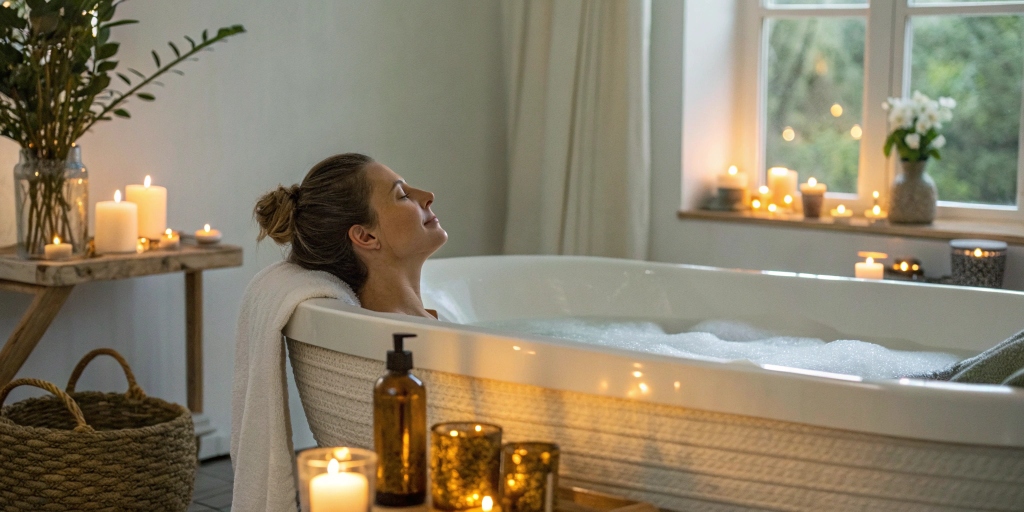
Hydrotherapy, the therapeutic use of water, has a rich history as a holistic approach to boosting health and wellness. Many individuals now experience its advantages right from their own homes, creating personalized wellness routines that seamlessly fit into daily life. Products and equipment such as hot tubs & spas provide a convenient way to access these benefits, allowing for regular sessions that might otherwise require travel to a spa or therapy center.
By incorporating hydrotherapy into the home environment, you can experience a notable improvement in your physical and mental well-being. Consistent use can address a range of concerns, such as muscle soreness, circulatory challenges, and daily stress. The personalized control over temperature and session length also allows everyone to create a unique and effective self-care ritual that suits their needs.
Hydrotherapy is a flexible and accessible method, and its advantages extend beyond what many expect from traditional bath or spa use. Beyond simple relaxation, water-based therapies can support chronic pain management and enhance rehabilitation after injuries or strenuous activity.
For those with the right space and resources, exploring options like swimming pools at home can also expand the ways you use hydrotherapy for exercise, relaxation, and mobility.
Improving Circulation
Hydrotherapy stimulates circulation in several ways. Immersion in warm water dilates blood vessels, which helps deliver oxygen and nutrients to muscles and skin more efficiently. This process not only encourages healing but also helps reduce inflammation and swelling, particularly after physical activity or injury. Enhanced circulation supports organ function and keeps tissues healthy, making hydrotherapy an important tool for individuals looking to support cardiovascular health or improve recovery times. According to medical experts, therapies involving heat and water have notable impacts on vascular health, which can be beneficial for those with certain chronic conditions (source: Healthline).
Stress Reduction
The calming properties of warm water immersion create a gentle environment to unwind. Hydrotherapy sessions can relax the nervous system and lower cortisol levels, the hormone responsible for the body’s stress response. This relaxation response can also help reduce anxiety symptoms and regulate sleep patterns, leading to improved mental health and quality of life. Regular relaxation routines, such as home hydrotherapy, have been linked to better long-term stress management (source: Mayo Clinic).
Muscle Relaxation and Pain Relief
One of the greatest benefits of hydrotherapy is its ability to relieve sore or tight muscles. The buoyancy of water supports the body and reduces strain on joints and muscles, making movements easier and less painful. For individuals living with chronic pain or arthritis, regular warm-water immersion can significantly reduce daily discomfort and improve mobility. In combination with gentle water jets or aquatic exercises, hydrotherapy can help relieve muscle tension, reduce spasms, and speed recovery for people recovering from physical injuries.
Enhancing Joint Flexibility
Hydrotherapy provides a supportive setting that encourages gentle stretching and increased range of motion. The heat from the water relaxes the muscles, while buoyancy relieves pressure on stiff joints, creating an optimal environment for improving flexibility in a safe, controlled way. This is particularly beneficial for those managing chronic conditions such as arthritis, but people recovering from injuries or seeking increased mobility can also find benefit. Engaging in regular water-based activities allows for the gradual improvement in joint flexibility without fear of overexertion or strain.
Methods of Home Hydrotherapy
Warm baths for 15 to 20 minutes are effective for relaxing muscles and improving circulation, and adding bath salts or essential oils can enhance relaxation and skin health. Contrast showers, which involve alternating hot and cold water, invigorate the body, stimulate circulation, and may reduce soreness after physical activity. Aquatic exercises, such as walking, gentle stretching, or low-impact aerobics in a home pool or large tub, boost strength, flexibility, and endurance while minimizing joint stress.
Safety Considerations
It is important to practice hydrotherapy safely. Begin with water temperatures that feel warm but not hot, as overheating can occur if the water is too hot or if sessions are too long. People with certain medical conditions, such as cardiovascular issues or pregnancy, should consult a healthcare provider before starting hydrotherapy routines. Safe entry and exit from tubs or pools are also crucial to prevent slips or falls. Additionally, anyone introducing new exercise or therapy should listen to their body and make gradual adjustments as needed.
Conclusion
Hydrotherapy at home is an accessible and effective approach to fostering well-being. Whether you use warm baths, contrast showers, or aquatic exercise in a dedicated space, these practices can benefit both physical and mental health. With a mindful and safe approach, integrating hydrotherapy into your home can lead to lasting improvements in quality of life, especially when routines are adapted to personal needs and supported by professional guidance when necessary.