
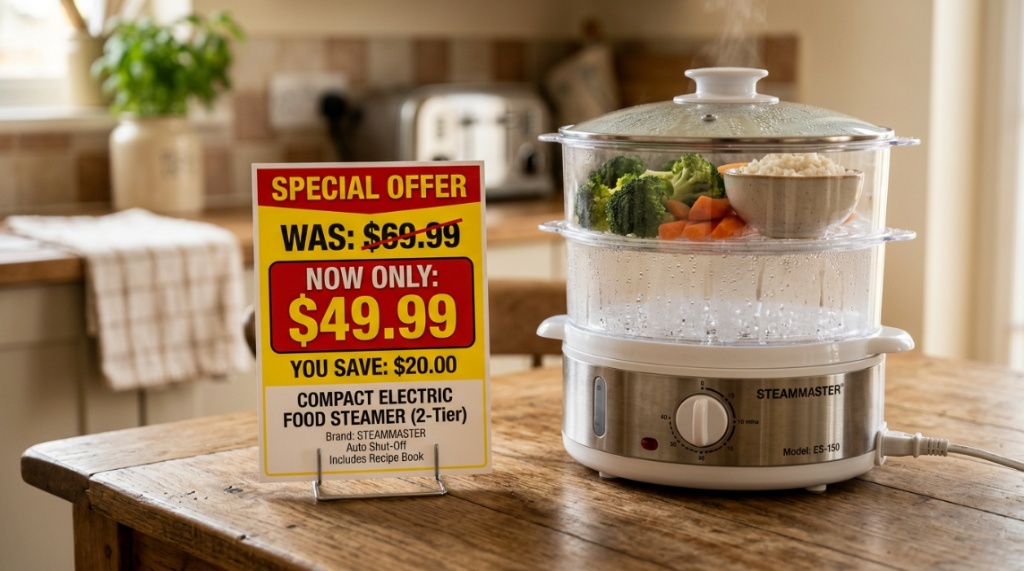

You’ve priced out electric food steamers, and the good ones seem to cost more than your weekly grocery budget. The frustration is real—you want healthy meals, but the upfront cost feels like a barrier. The good news is that you don’t need to spend a fortune to get a reliable, efficient steamer. By understanding what truly matters in a steamer’s design and where retailers inflate prices, you can make a smart purchase that saves you money immediately and for years to come. This guide shows you exactly how to cut costs without ending up with a flimsy appliance.
What Features Actually Justify a Higher Price on Electric Steamers?
Before you start hunting for discounts, you need to know which premium features are worth paying for and which ones are just marketing fluff. The core job of a steamer is to produce consistent steam, but the way it achieves that determines its price.
The Real Cost Difference Between Basic and Advanced Steamers
Basic steamers typically have a single heating element and a simple timer. Advanced models include multiple tiers, variable steam controls, and automatic shut-off sensors. While features like digital timers are convenient, they add $20-$50 to the price. However, a steamer with a concealed heating element is a better investment because it prevents mineral buildup, extending the appliance’s life. That’s a feature worth paying for.
Why “BPA-Free” Plastic Matters (And When It’s a Scam)
All reputable steamers use BPA-free plastic. If a retailer charges extra for “BPA-free” as a premium feature, you’re being upsold on a standard safety requirement. Instead, look for steamers with stainless steel or ceramic-coated steam baskets. These materials distribute heat more evenly and don’t stain, but they do increase the price. For a budget pick, high-quality plastic is fine—just ensure it’s clearly labeled and from a known brand.
Check the wattage: A 600-watt steamer heats faster than a 400-watt model. Faster heating means less electricity used, which saves money on your power bill over time. Don’t get swayed by extra dials you’ll never use.
Why Do Electric Food Steamer Prices Vary So Much Between Stores?
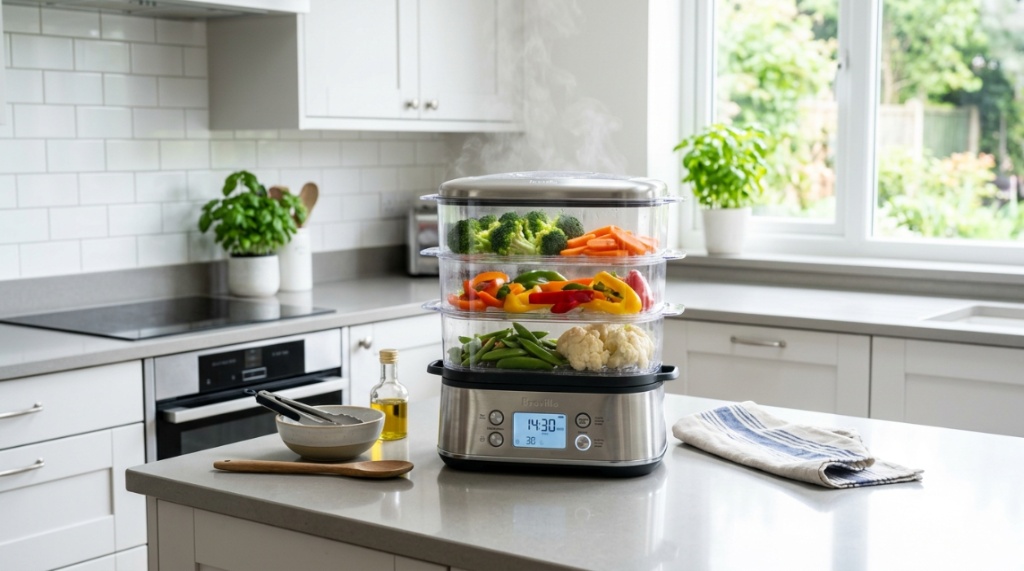
You might see the same model for $49.99 at one store and $79.99 at another. This price discrepancy is rarely about the product itself—it’s about inventory management, seasonal demand, and regional pricing strategies. Understanding this helps you know when and where to buy.
Online vs. In-Store: Where Should You Buy to Save?
Online retailers often have lower overhead costs, but they charge for shipping. Physical stores may have higher sticker prices but offer sale events during holiday weekends. A smart approach: check the online price, then use a price-match policy at a physical store to avoid shipping fees. Alternatively, buying directly from the manufacturer’s website sometimes comes with a longer warranty for the same price.
Timing Your Purchase: When Are Steamers Cheapest?
Electric steamers are not seasonal items, but they see price drops during January (post-holiday sales) and after Mother’s Day. If you see a steamer at a good price during off-peak months, it’s likely a discontinued model—which is great for savings, but ensure parts are still available for replacement.
How to Spot a Fake “Sale” Price
Retailers often inflate the original price to make the sale look better. Use historical price-checker websites to see if the current “deal” is genuinely low. Also, consider “refurbished” models from trusted sellers—they often have minor cosmetic scratches but work perfectly and come with a warranty, saving you up to 40%.
How to Choose a Budget-Friendly Steamer That Lasts Long?
A $25 steamer might seem like a steal, but if it breaks in six months, you’re not saving money—you’re wasting it. The key is to find the “sweet spot” where price meets durability and performance. You need to evaluate build quality, not just the price tag.
Key Specs to Compare Before Buying
Look for a steamer with at least a 30-minute timer, an automatic shut-off when the water runs dry, and a water level indicator outside the unit. These features prevent accidents and extend the appliance’s life. Avoid units with thin plastic bases; they crack under heat stress. Check the weight—a heavier steamer usually indicates a thicker, better base that won’t warp.
Reading Reviews: Which Complaints Should You Ignore?
When reading reviews, ignore complaints about “slow steaming” from people who overfilled the water tank—that’s user error. Focus on repeated mentions of “element failure” or “cracked base.” If multiple reviewers mention the same issue, it’s a design flaw, not a one-off issue. Look for reviews that mention usage after six months to gauge long-term reliability.
One practical tip: buy a steamer with removable dishwasher-safe parts. Cleaning ease directly affects longevity because a clean steamer prevents bacterial buildup and limescale, which can corrode the heating element over time. Choosing budget-friendly kitchen appliances doesn’t mean compromising on nutrition. In fact, steaming locks in essential vitamins and minerals, helping you achieve healthier foods with the right cooking method without needing expensive gourmet equipment.
Which Type of Electric Steamer Offers the Best Value for Money?
Not all steamers are created equal in terms of value. There are 3-in-1 stackable steamers, single-bowl models, and steamers with rice cookers built in. Choosing the right type for your cooking habits is the difference between spending $30 and $80.
Stackable vs. Single-Tier: What Do You Actually Need?
If you cook for one or two people, a single-tier steamer is the most budget-friendly option. It uses less space and energy. For families, a 3-tier steamer allows you to cook a whole meal at once, saving cooking time but using slightly more electricity. However, you can often find a 2-tier steamer for the same price as a single-tier—just check the wattage to ensure it’s actually enough to power both tiers efficiently.
Combination Steamers (Rice Cooker + Steamer): Worth It?
Combination devices are tempting, but they are often mediocre at both functions. A dedicated steamer steams better, and a dedicated rice cooker cooks rice better. Unless you have a tiny kitchen, buying them separately is usually a better value. However, if you see a combo unit deeply discounted, it can be a steal for dorm rooms.
Consider the footprint. A vertical steamer takes up less counter space than a wide, horizontal model. Saving space isn’t monetary, but it prevents you from buying a bigger countertop later.
Can You Save Money by Using Your Electric Steamer More Efficiently?
You can save money after you buy the steamer by using it intelligently. The appliance itself uses very little electricity, but you can maximize its use to save on cooking gas and time. This turns your steamer into a cost-saving tool.
How to Maximize Meals Per Batch to Cut Energy Costs
Don’t just steam one vegetable. Fill the tiers with different items that have similar cooking times. For example, put potatoes in the bottom tier, fish in the middle, and broccoli on top. This cooks a full meal using the same energy as steaming just one item. You can also reheat leftovers in a steamer instead of a microwave—it retains moisture, so you won’t need to add extra sauces or butter.
The “Batch Cooking” Strategy for Saving Time and Money
Spend one hour on Sunday steaming a week’s worth of vegetables and chicken breasts. Store them in airtight containers. This prevents you from buying expensive pre-cooked meals or ordering takeout during the week, which is the most significant saving. Use your steamer’s timer and let it run while you do other chores.
Also, steam water instead of boiling. Boiling in a pot requires you to use more water and energy to keep it boiling. A steamer uses a small amount of water and keeps it at a rolling simmer, using less overall energy to cook the same amount of food.
How to Maintain Your Electric Steamer to Avoid Expensive Replacements
A well-maintained steamer can last a decade. Poor maintenance will kill it in a year. The number one killer of electric steamers is limescale from hard water, which corrodes the heating element. Preventative maintenance costs pennies, but replacement costs dollars.
How to Descale Your Steamer with Vinegar (Step-by-Step)
Mix one part white vinegar to three parts water. Fill the water tank to the max line. Run the steamer for 10 minutes, then unplug it and let the solution sit for 30 minutes. Pour out the solution, then run the steamer twice with fresh water to flush out the vinegar taste. Do this every 15 uses or once a month if you have hard water.
Why You Should Use Distilled Water (And When Tap is Fine)
Distilled water prevents limescale completely, but it costs money. If your tap water is soft (you don’t get white spots on dishes), tap water is fine. If you have hard water, use distilled water for the steamer. This is a trade-off: buying distilled water is cheaper than buying a new steamer. To save even more, collect the water from your dehumidifier or air conditioner condensate—it’s essentially distilled.
Clean the steam vents. If the vents are blocked by food particles, pressure builds up and the steamer may shut off prematurely or blow a fuse. Use a toothpick or a small brush to keep them clear after each use.
If you’re looking for a curated list of reliable models that won’t break the bank, check out some great options to save on electric steamers that match the criteria discussed here.
Is Buying a Used Electric Steamer a Good Way to Save?
Yes, buying a used steamer is a fantastic way to save 50-70% off retail, but you must be careful. Unlike used blenders, steamers have a sealed heating element that can be a fire hazard if damaged. You need to inspect it properly before handing over cash.
Safety Checklist for Used Steamers
Before buying, plug it in and test it. Check that the power cord is not frayed and the plug is not hot after running for 10 minutes. Look inside the water tank—if you see heavy scaling, it indicates the previous owner didn’t maintain it well, which shortens its life. Check the steam baskets for cracks; a cracked basket can melt and contaminate food.
Where to Find Reliable Used Steamers
Look for “open-box” items on big retail sites—these are often returns from customers who bought the wrong model, and they come with a full warranty. Thrift stores can have great finds, but try to test the unit in the store if possible. Avoid buying used steamers without seeing them in person unless you are ready to accept the risk. If the price is $10, it might be worth the gamble, but if it’s $25, put it towards a new budget model.
What Accessories Do You Actually Need (And Which Are a Waste)?
Retailers push accessories at checkout, but most are unnecessary. Understanding what you truly need helps you avoid impulse buys. A steamer works best with what is in the box; most add-ons are gimmicks.
Replacement Parts You Should Buy Immediately
Buy an extra steaming basket only if yours doesn’t come with a divider. You don’t need special liners if you coat the basket with a little oil or use parchment paper cut to size. A spare measuring cup is helpful because you’ll inevitably lose the one that comes with it, but a standard kitchen cup works fine—just don’t use it for other liquids that might leave residue.
Smart Accessories You Can DIY
Use silicone muffin cups to steam eggs in the steamer—this prevents them from rolling around. You can fold a piece of aluminum foil into a ring to keep a fish fillet from sticking. Don’t buy expensive “fish trays” or “egg holders”; these are convenience items that cost more than the food you’ll cook with them.
Also, consider buying a small replacement timer separately. If your steamer’s dial breaks, a cheap mechanical timer from a hardware store can be used to plug the steamer into, providing the same function without buying a new machine.
How Does the Brand Name Affect the Price of a Food Steamer?
You’ll notice a massive price difference between well-known brands like Breville or Cuisinart and generic brands. The brand name does add a cost, but it often comes with better customer service and more rigorous testing. However, for steamers, the technology is relatively simple, so generic brands can sometimes offer equal quality.
When to Pay for a Big Brand Name
If you plan to use the steamer daily, a recognized brand with a good warranty (2+ years) is worth the premium. They are more likely to sell replacement lids and baskets individually, which is crucial if you break a part. The customer support is usually better, and they stand behind their products.
When to Choose a Generic or Less-Known Brand
If you’re a casual user or this is your first steamer, choose a generic brand with high ratings and many user reviews on the product page. You’ll save 30-40% upfront. Just ensure the brand offers at least a one-year warranty. Look for reviews mentioning “Customer Service” positively to see how they handle issues. Do not buy from brands with zero online presence or warranty information.
How to Calculate the True Cost of an Electric Steamer Over Time
To know if you are genuinely saving money, you need to calculate the total cost of ownership, not just the purchase price. This includes electricity usage, maintenance, and potential repair or replacement. For steamers, this calculation is simple but revealing.
Electricity Cost per Use (Estimate)
Most steamers are between 600W and 900W. Running it for 15 minutes uses roughly 0.2 kWh. Multiply that by your electricity rate (e.g., $0.15 per kWh), and you get $0.03 per use. Even using it daily, you spend less than $1 per month on electricity. This means the purchase price, not the running cost, is the primary expense.
Table: Cost Comparison Over 5 Years
| Steamer Type | Upfront Cost | Est. Daily Use (15 min) | Annual Electricity | Est. Total 5-Year Cost |
|---|---|---|---|---|
| Budget ($25) | $25 | 0.2 kWh | $10.95 | $79.75 |
| Mid-Range ($70) | $70 | 0.2 kWh | $10.95 | $124.75 |
| High-End ($150) | $150 | 0.2 kWh | $10.95 | $204.75 |
Repair vs. Replace: When to Stop Spending
If your steamer stops heating, the fix often costs as much as a new budget model. If the power cord is damaged, always replace the unit—repairing a cord is a fire risk. If the lid cracks, check if you can buy a replacement lid for under $10. If not, and the body is still good, you can use a universal lid, but it’s usually simpler to replace the whole thing if you bought a cheap one.
Which features are crucial for specific diets (keto, vegan, baby food)?
Your diet affects what you should look for to avoid buying unnecessary add-ons. A steamer for baby food needs precise temperature control to preserve nutrients, while a vegan diet just needs volume. Matching the steamer to your needs prevents overpaying.
Steaming for Baby Food: Look for Precision, Not Power
For baby food, you need a steamer that has a very low setting and does not dry out the food. Look for a steamer with a “gentle” steam option. You don’t need a blender; you can mash the steamed food with a fork. Avoid steamers with non-removable bases, as they are harder to clean thoroughly for infant use. A mid-range steamer with a fine mesh basket is ideal.
Steaming for Meal Prep (Keto/High Protein)
If you are steaming chicken breasts and eggs, you need a steamer with a large capacity and a sturdy timer. The tier design matters more than precision. Get a steamer with deep baskets to prevent juices from mixing if you cook different proteins. You don’t need a digital delay start—a simple mechanical timer is enough.
If you only cook vegetables, you can use the cheapest steamer on the market. There is no feature that makes steaming broccoli better—it just becomes water and heat. Spend your money on a steamer with a clear water window so you know when to add water.
Frequently Asked Questions
Can a food steamer replace a microwave?
Yes, for many dishes, a steamer can reheat rice, pasta, and vegetables better than a microwave because it adds moisture, preventing them from becoming rubbery. It is slower than a microwave but yields better texture.
Is it cheaper to use a steamer or a stovetop to cook vegetables?
It is slightly cheaper to use a steamer. A steamer uses 600-800W for a short time, while a stovetop burner uses around 1500W and heats the whole room. The steamer also prevents water waste, as you only use 2 cups of water versus a pot of boiling water.
How long do electric steamers last on average?
With proper descaling, a quality steamer lasts 5-7 years. Budget models may last 2-3 years. The heating element is typically the first to fail, which is why cleaning is critical, not the motor, which doesn’t exist.
Do you need to add salt when steaming?
No, add salt after steaming. Salt added to the water will not season the food effectively and can cause pitting on the heating element over time. Season meals after they are cooked.
Can I leave the steamer plugged in when not in use?
No, always unplug the steamer when not in use. Leaving it plugged in wastes a tiny amount of standby power and presents a shock risk, especially in a kitchen with water.
What is the difference between a steamer and a pressure cooker?
A steamer cooks at normal atmospheric pressure with hot steam, suitable for gentle cooking. A pressure cooker traps steam to cook food much faster at high heat and pressure.
Final Thoughts on Saving With Electric Steamers
You don’t need to wait for a massive sale to buy an electric steamer. By focusing on practical features, maintaining your unit properly, and using it efficiently, you can save more money than the cost of the appliance itself. Avoid paying for premium brand names unless you know the warranty offers significant value. Always calculate the lifetime cost, and you’ll realize that even the slightly more expensive stainless steel model pays for itself in longevity.
Start by assessing your cooking habits. Choose a model that fits your daily routine, not an idealized version of cooking you wish you had. Maintain it with vinegar monthly, and you will see it last for years. Now, go find a steamer that meets your budget, and start cooking healthier meals without burning your wallet.
Your wallet and your waistline will thank you. Use this guide as your blueprint and make a confident, cost-effective choice today.

