


The best cheese for pasta depends on the pasta shape, sauce style, and melting characteristics of the cheese. Wisconsin cheese varieties consistently rank among the top choices because they offer exceptional flavor, texture, and meltability for nearly every pasta dish.
Imagine spending hours perfecting a pasta sauce only to finish it with a cheese that turns grainy, oily, or disappears completely into the dish. The wrong cheese can flatten flavors, create an unpleasant texture, and make an otherwise excellent meal forgettable. The right cheese, however, transforms simple pasta into something memorable.
Wisconsin has earned global recognition for artisan cheesemaking, producing hundreds of award-winning cheeses each year. From aged Parmesan-style varieties to creamy Fontina and sharp Cheddar, Wisconsin cheesemakers create options that rival traditional European classics while offering unique regional character.
In this comprehensive pasta cheese guide, you’ll learn which Wisconsin cheeses pair best with different pasta dishes, how to choose the right cheese for specific sauces, and which varieties rank highest this year based on flavor, versatility, and performance in real-world cooking.
What makes Wisconsin cheese ideal for pasta dishes?
Wisconsin cheese is ideal for pasta because of its quality milk supply, expert cheesemaking traditions, and wide variety of textures and aging styles.
The state produces more than 600 varieties, styles, and types of cheese. This diversity allows home cooks and chefs to find a perfect match for nearly any pasta recipe.
Whether you’re preparing creamy Alfredo, rich baked ziti, classic spaghetti, or mushroom ravioli, Wisconsin cheeses provide excellent melting behavior and balanced flavor development. Many artisan producers age cheese carefully to create complex notes that elevate simple ingredients.
For a deeper breakdown of top-performing varieties and cooking applications, this detailed guide to Wisconsin pasta cheeses offers additional recommendations and pairing insights.
- Excellent melting performance
- Rich dairy flavor
- Wide range of aging profiles
- Strong culinary versatility
- Award-winning artisan production
- Reliable consistency for cooking
Which Wisconsin cheeses rank highest for pasta this year?
The highest-ranked Wisconsin cheeses for pasta this year are Parmesan-style cheese, Fontina, Asiago, Provolone, and aged Cheddar.
These cheeses were selected based on versatility, flavor intensity, meltability, and compatibility with various pasta sauces.
| Rank | Cheese | Best For | Flavor Profile | Melting Quality |
|---|---|---|---|---|
| 1 | Parmesan-Style | Most pasta dishes | Nutty, savory, complex | Excellent grated finish |
| 2 | Fontina | Cream sauces | Buttery, mild, earthy | Exceptional |
| 3 | Asiago | Tomato-based pasta | Sharp, tangy, rich | Very good |
| 4 | Provolone | Baked pasta dishes | Smooth, slightly smoky | Excellent stretch |
| 5 | Aged Cheddar | Mac and cheese | Bold, sharp, creamy | Very good |
| 6 | Mozzarella | Lasagna | Mild, milky | Outstanding |
| 7 | Gouda | Creamy baked dishes | Sweet, caramel-like | Excellent |
How do you match cheese with different pasta sauces?
The best cheese pairing depends on the sauce’s richness, acidity, and dominant flavors.
Different sauces require different cheese characteristics. Pairing them correctly improves balance and overall taste.
Which cheese works best with tomato sauce?
Parmesan-style cheese and Asiago are excellent choices for tomato sauces because they complement acidity without overpowering the dish.
Tomato sauces naturally contain bright acidic notes. Aged cheeses add savory depth while preserving freshness.
- Parmesan-style cheese
- Asiago
- Pecorino-style cheese
- Provolone
Which cheese is best for creamy pasta sauces?
Fontina and Parmesan-style cheese are among the best options for cream-based pasta recipes.
These cheeses melt smoothly and create a luxurious texture without separating.
- Fontina
- Parmesan-style cheese
- Gouda
- Mild Provolone
Which cheese is ideal for pesto pasta?
Parmesan-style cheese remains the classic choice for pesto because its nutty flavor enhances basil, garlic, and olive oil.
The cheese contributes umami richness while maintaining the herbal character of pesto.
What is the best Wisconsin cheese for Alfredo pasta?
Wisconsin Fontina ranks as the best overall cheese for Alfredo-style pasta because it melts exceptionally well and creates a silky sauce.
Traditional Alfredo recipes often rely on Parmesan. However, combining Fontina with Parmesan-style cheese creates a richer and more luxurious result.
Many professional chefs blend multiple cheeses to achieve the ideal consistency and flavor balance.
- 70% Fontina
- 30% Parmesan-style cheese
- Fresh cracked black pepper
- Heavy cream
- Butter
This combination produces a smooth, restaurant-quality sauce with outstanding flavor complexity.
Which cheese works best for baked pasta recipes?
Provolone and Mozzarella are the top choices for baked pasta because they create a golden, stretchy, satisfying cheese layer.
Baked dishes require cheeses that withstand prolonged heat while maintaining texture.
Lasagna, baked ziti, stuffed shells, and pasta casseroles benefit from layered cheese combinations rather than a single variety.
A common winning blend includes:
- Mozzarella for stretch
- Provolone for flavor
- Parmesan-style cheese for finishing
This combination creates balanced texture and rich flavor throughout the dish.
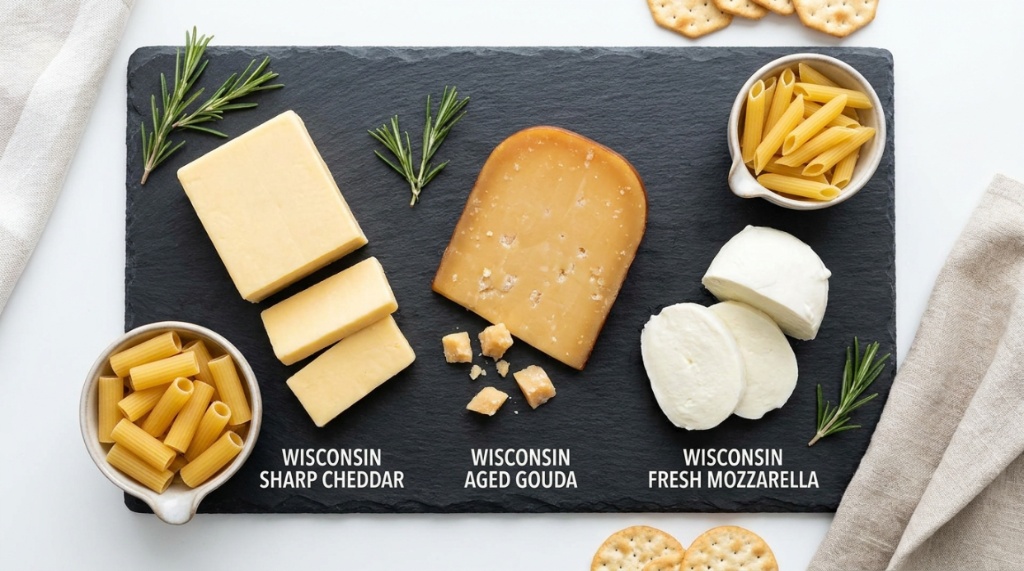
Can sharp cheddar be used on pasta?
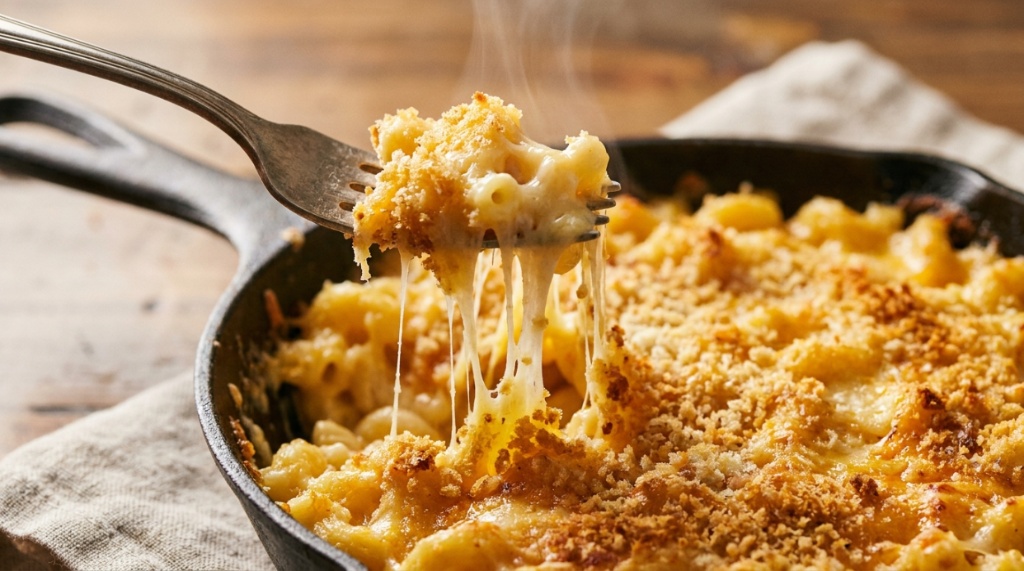
Yes. Aged Wisconsin Cheddar performs exceptionally well in mac and cheese, creamy pasta bakes, and comfort-food recipes.
Cheddar brings bold flavor and richness that many traditional Italian cheeses cannot replicate.
For smoother sauces, combine Cheddar with a softer melting cheese such as Fontina or Gouda. This helps prevent graininess while maintaining flavor intensity.
Many home cooks overlook Cheddar in their cheese pairing strategy, yet it often delivers superior results in family-style baked pasta dishes.
How does cheese age affect pasta pairings?
Younger cheeses melt better, while aged cheeses provide stronger flavor and finishing power.
Understanding aging helps you choose the right cheese for specific applications.
| Cheese Age | Texture | Flavor Strength | Best Use |
|---|---|---|---|
| Fresh | Soft | Mild | Melting |
| 3-6 Months | Semi-firm | Moderate | Sauces |
| 12+ Months | Firm | Strong | Finishing and grating |
| 24+ Months | Hard | Intense | Garnishing |
Many professional kitchens use both young and aged cheeses in the same recipe to maximize texture and flavor.
What mistakes should you avoid when choosing pasta cheese?
The biggest mistake is selecting cheese based solely on popularity rather than cooking performance.
Not every cheese melts the same way or complements every sauce.
- Using only pre-shredded cheese
- Ignoring moisture content
- Overheating aged cheeses
- Using one cheese for every recipe
- Choosing flavor intensity that overwhelms the sauce
- Adding cheese before sauce temperature is stable
Freshly grated cheese generally provides better melting results and superior flavor compared with packaged alternatives.
How can you build the perfect cheese pairing strategy for pasta?
Start by matching cheese intensity to sauce intensity and combining multiple cheeses when possible.
A successful pairing balances flavor, texture, and meltability.
Simple framework:
- Light sauces → Mild cheeses
- Cream sauces → Smooth melting cheeses
- Tomato sauces → Aged savory cheeses
- Baked pasta → Stretchy cheese blends
- Pesto → Nutty aged cheeses
- Mac and cheese → Bold melting cheeses
This approach consistently delivers restaurant-quality results at home.
Conclusion: Which Wisconsin cheese should you choose for pasta?
If you want one versatile option, Wisconsin Parmesan-style cheese remains the best overall cheese for pasta. It works with tomato sauces, pesto, creamy dishes, baked recipes, and countless pasta variations.
For cream-based recipes, Fontina earns the top spot thanks to its smooth melt and rich flavor. For baked dishes, Provolone and Mozzarella dominate. For comfort-food classics like mac and cheese, aged Wisconsin Cheddar continues to impress.
The secret isn’t choosing a single cheese for every recipe. The best results come from understanding flavor balance, melting behavior, and sauce compatibility. Exploring regional artisan varieties can dramatically improve homemade pasta meals and expand your culinary repertoire.
Whether you’re preparing a weeknight spaghetti dinner or an elaborate lasagna, selecting the right Wisconsin cheese can transform an ordinary pasta dish into something memorable. Start experimenting with different combinations and discover which cheese pairings become your personal favorites.
FAQ: Common Questions About Choosing the Best Cheese for Pasta
What is the best cheese for pasta overall?
Parmesan-style cheese is generally considered the best all-purpose pasta cheese. Its nutty flavor, versatility, and compatibility with numerous sauces make it suitable for most pasta dishes.
Which Wisconsin cheese melts the best for pasta?
Fontina is among the best melting Wisconsin cheeses. It creates smooth sauces without becoming oily or grainy and works especially well in Alfredo and creamy pasta recipes.
Can I mix different cheeses in one pasta dish?
Yes. Combining cheeses often produces better results than using a single variety. Blending a flavorful aged cheese with a highly meltable cheese improves both texture and taste.
Is mozzarella good for all pasta dishes?
No. Mozzarella excels in baked dishes but may lack flavor intensity for some sauces. It is best paired with stronger cheeses such as Parmesan-style or Asiago.
Which cheese works best with spaghetti?
Parmesan-style cheese and Asiago are excellent choices for spaghetti. Their savory flavor complements tomato sauces while enhancing the dish’s overall richness.
What cheese should I use for homemade mac and cheese?
Aged Wisconsin Cheddar is the preferred foundation for mac and cheese. Combining it with Fontina or Gouda creates a creamier texture and more balanced flavor.
Does aged cheese improve pasta flavor?
Yes. Aging concentrates flavor compounds and increases umami characteristics. Aged cheeses often provide deeper complexity and stronger finishing notes than younger varieties.