
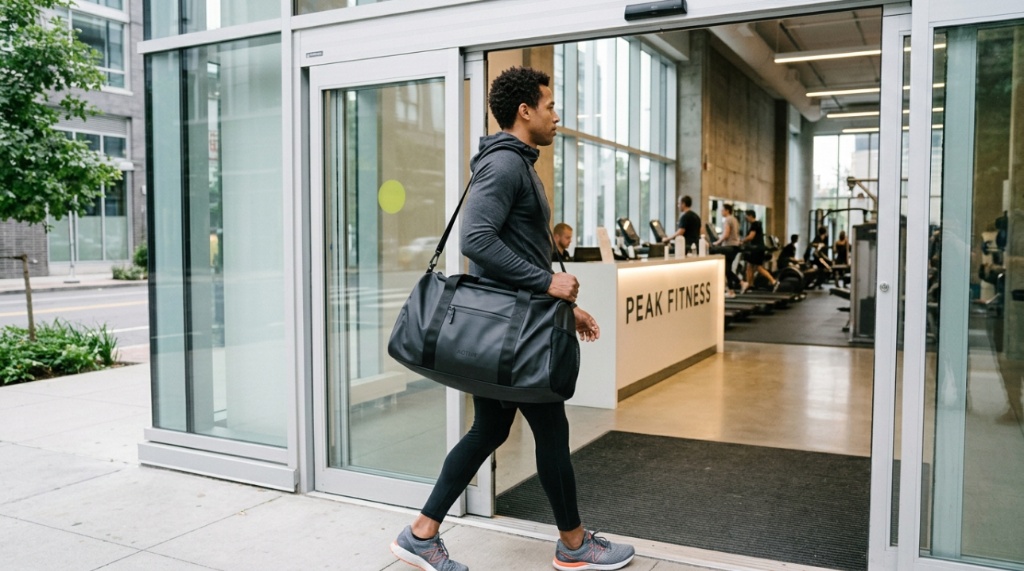

You just had it happen again. You reached for your gym bag, and the zipper jammed. The stitching near the handle is fraying, and the bottom seam is threatening to split open for good. It is the third bag you have worn out this year. You bought cheap, and now you are paying for it—literally and figuratively. Finding durable gym duffel bags that actually hold up to daily abuse feels like searching for a needle in a haystack. This guide is your shortcut. We are going to break down exactly what to look for, so your next purchase is your last for years to come.
What Exactly Makes a Gym Duffel Bag Durable?
A durable gym duffel bag is defined by three core elements: the material of the exterior shell, the quality of the stitching, and the strength of the hardware. Most budget bags fail because they cut corners in at least one of these areas. A truly durable bag uses materials that resist abrasion, double-stitched seams that handle heavy loads, and hardware that will not crack or rust after a few weeks of sweat exposure.
Which Materials Offer the Best Long-Term Durability?
If you want a bag that lasts, focus on high-denier nylon, heavy-duty polyester, or waxed canvas. Each of these has specific strengths, but nylon is generally the champion for gym use due to its high tensile strength and natural water resistance.
High-Denier Nylon (Ballistic Nylon)
Originally developed for military flak jackets, ballistic nylon (often 1000D or 1680D) is incredibly tough. It resists tearing, punctures, and abrasion better than almost any other fabric. This is the gold standard for durable gym duffel bags that you will drag across concrete floors and throw into car trunks.
Heavy-Duty Polyester (600D or 900D)
Polyester is lighter than nylon and can be just as durable when the denier rating is high. It has excellent UV resistance, meaning it won’t fade or degrade if you leave it sitting in a sunny car. Many high-end sports brands use this material for a good balance of weight and toughness.
Waxed Canvas
Waxed canvas offers a classic, rugged aesthetic and is naturally water-repellent. However, it is heavier and less abrasion-resistant than modern synthetic fabrics. It works best if you want a stylish, everyday bag that can handle moderate gym use but not extreme conditions.
How Important Is the Quality of Zippers and Hardware?
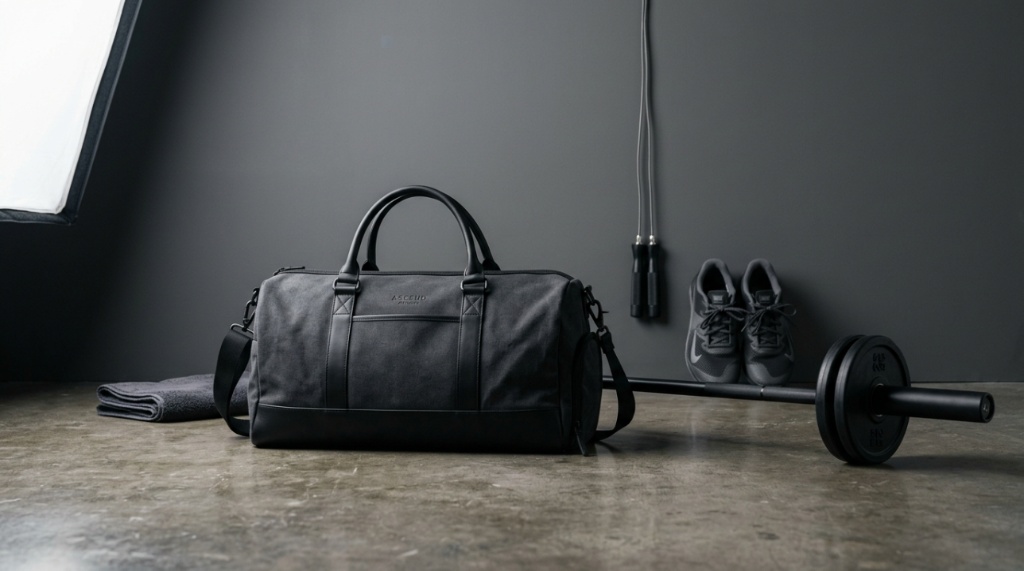
Hardware is the single most common failure point on a gym bag. You can have a nearly indestructible fabric, but if the zipper splits or the plastic buckle snaps, the bag is useless. Do not overlook zippers, clips, and handles.
- Zippers: Look for heavy-duty zippers from trusted manufacturers like YKK. Coil zippers are lightweight, but molded plastic or metal zippers offer superior strength. Check whether they are covered or exposed; covered zippers can handle dirt and sand better over time.
- Buckles and Clips: Avoid thin plastic hardware. Opt for metal or reinforced nylon buckles. These can handle the stress of a fully loaded bag without cracking under pressure or cold weather.
- Stitching and Seams: Bar tacks (reinforced stitching at stress points) are a sign of quality. Double- or triple-stitched seams on the handles and the base of the bag are non-negotiable for long-term durability.
How Can You Test a Bag’s Durability Before Buying?
You cannot always take a bag for a test drive, but you can perform a visual and physical inspection in the store or when it arrives by mail. This takes less than two minutes and saves you months of regret.
- The Stretch Test: Grip the main fabric of the bag and pull it in opposite directions. Does the material stretch easily, or does it feel tight and robust? Excessive stretch indicates low denier weight.
- The Zipper Slide Test: Zip the bag fully closed and then open it. Does the zipper slide smoothly, or does it catch on the fabric? A rough glide often predicts early failure.
- The Seam Squeeze Test: Lightly squeeze the bottom seam of the bag. Can you see light between the stitches? Visible gaps mean the seam is not tight enough to handle weight.
- The Handle Yank Test: Grip the main handle and gently pull down on the bag. Listen for any creaking or popping from the attachment points. A solid connection will be silent.
What Features Reduce Wear and Tear Over Time?
Certain design features actively protect your bag. A reinforced base, for example, prevents the bottom from rubbing against the ground. Similarly, weather-resistant coatings and padded compartments extend the bag’s usable life by protecting it from moisture and internal pressure.
| Feature | Why It Adds Durability |
|---|---|
| Reinforced or “studded” base | Prevents fabric abrasion when setting the bag on rough surfaces. |
| Water-resistant coating (DWR) | Prevents mildew and fabric rot caused by damp towels and clothes. |
| Padded laptop or shoe compartment | Reduces wear on the interior liner from sharp corners and dirt. |
| Heavy-duty grab handles | Prevents the handles from ripping out when carrying the bag fully loaded. |
Can You Trust Brand Reputation Over Specifications?
Brand reputation matters, but only when backed by verifiable specs. A known brand often has better quality control and warranty support. However, many “luxury” brands sell leather duffels that are beautiful but impractical for a sweaty gym environment. Look for brands that specialize in performance luggage or outdoor gear, as they prioritize material science over aesthetics.
For example, a brand known for travel backpacks will likely use better zippers and fabrics than a fashion house that releases a seasonal gym bag. Check the tags for the denier rating and the zipper manufacturer. If this information is not listed, it is often a red flag indicating lower quality components. To explore a curated selection of high-value options that balance price with long-lasting materials, check out this collection of durable gym duffel bags that meet professional standards without the luxury markup.
What Is the Biggest Mistake People Make When Buying a Gym Duffel?
The biggest mistake is buying a bag based on style alone while ignoring the functional construction. A bag that looks “cool” but uses cheap hardware will fail in under six months. The second biggest mistake is buying a bag that is too large. An oversized bag encourages you to overpack, which puts excessive stress on the seams and zippers, drastically shortening its lifespan. Choose a size that fits your actual gear for that day, not your “what if I need everything” gear.
How Much Should You Invest in a Truly Durable Gym Bag?
Expect to spend between $80 and $200 for a commercial-grade bag that will last 3–5 years with consistent use. Bags under $40 are almost always made with low-denier fabric, plastic hardware, and single stitching. They are disposable by design. A $100 bag built with 1680D ballistic nylon and metal zippers will outlast three $40 bags combined, making it a cheaper option in the long run. The higher upfront cost is an investment in reliability and convenience.
How Do You Care for a Durable Gym Duffel to Make It Last?
Even the toughest bag needs basic maintenance. You are asking the bag to handle sweat, dirt, and moisture daily. A little care goes a long way.
- Air it out: After every workout, unzip all compartments and let the bag dry completely. This prevents mildew from attacking the fabric liners and zippers.
- Spot clean only: Avoid machine washing your gym duffel. Use a damp cloth and mild soap to wipe down the exterior and interior. Machine washing can damage waterproof coatings and loosen stitching.
- Store properly: Do not store the bag completely empty and crumpled, but do not store it packed to the gills either. Keep it partially filled with a towel to maintain its shape and prevent crease stress.
- Check the hardware: Every few months, inspect the zippers for debris and the buckles for cracks. A small grain of sand stuck in a zipper track can cause massive damage over time if not removed.
When choosing a bag, think about the specific workouts you do. If you are packing custom mats or blocks to maximize the benefits you will get from hypopressive gymnastics, a tiny standard duffel won’t cut it. Look for a bag with dedicated external straps or an expandable main compartment so your specialized core-training gear never gets crushed.
What Should You Look for in a Warranty?
Warranty terms are a direct reflection of a manufacturer’s confidence in their product. A bag with a limited one-year warranty is telling you that they expect it to last about one year. Look for bags that offer at least a two-year warranty, and ideally a limited lifetime warranty on manufacturing defects. Pay attention to what the warranty covers. Some warranties cover fabric and stitching but exclude zippers and hardware—which are often the first things to break.
Conclusion
Choosing a durable gym duffel bag does not have to be a gamble. You now know the secret formula: prioritize high-denier nylon or polyester, demand metal or heavy-duty zippers from brands like YKK, and inspect the stitching for double seams and bar tacks. Avoid the trap of buying purely on style or price. A well-constructed bag is an asset that makes your daily routine smoother and saves you money over time. Do not settle for a bag that will let you down before you even hit your fitness goals. Put this checklist to work, and find a bag that matches your work ethic. Your future self—and your dry gear—will thank you.
Frequently Asked Questions
Is a canvas or nylon gym bag more durable?
Nylon is generally more durable for high-abrasion environments. High-denier ballistic nylon resists tearing and water damage better than canvas. Canvas is heavy and stylish but can rot or mildew if it stays damp after a sweaty workout.
Can I wash my durable gym duffel bag in the machine?
You should avoid machine washing a high-quality gym duffel. The agitation can break down waterproof coatings and loosen stitching. Spot clean with a damp cloth and mild soap. If you must deep clean, hand wash in a bathtub and air dry.
How long should a quality gym duffel bag last?
A well-made gym duffel bag using materials like 1680D ballistic nylon and metal zippers should last between three to five years with frequent daily use. Bags used less often or cared for properly can last significantly longer.
What is the best size for a durable gym bag?
The ideal size for most gym goers is between 35 and 50 liters. This is large enough for a change of clothes, shoes, a towel, and toiletries without being so large that you overpack and stress the seams. Choose a medium size for durability and portability.
Are waterproof gym bags more durable than water-resistant ones?
Not necessarily. True waterproof bags (often roll-top or welded seam) are highly durable but can be heavier and less breathable. Water-resistant bags made with DWR-coated fabrics are often more versatile and breathe better, reducing the risk of mildew from trapped moisture.
Why do zippers fail on gym bags so often?
Zippers fail most often due to dirt, sand, and corrosion from sweat. Cheap coil zippers with plastic teeth are particularly vulnerable. Using metal or molded plastic zippers from reputable brands and keeping the zipper tracks clean dramatically reduces the chance of failure.
Should I buy a duffel with a separate shoe compartment?
Yes, a separate shoe compartment improves durability by keeping dirty soles away from the main fabric liner. It prevents abrasion from gravel on your shoes and keeps sharp cleats from tearing the interior, which extends the overall life of the bag.